Desert Stalker
Play Desert Stalker
Desert Stalker Screenshots








Desert Stalker review
Explore the post-apocalyptic RPG with dynamic storytelling and player agency
Desert Stalker stands out as a sophisticated post-apocalyptic role-playing experience that combines narrative depth with meaningful player choice. This Ren’Py-based title offers players the freedom to shape their character’s journey through a gritty wasteland setting, where decisions directly impact story outcomes and character relationships. Whether you’re interested in understanding the game’s core mechanics, exploring its branching narrative structure, or discovering what makes it unique in the RPG landscape, this guide provides everything you need to know about this ambitious indie title.
Understanding Desert Stalker’s Core Gameplay Experience
Ever feel like you’re just going through the motions in a game? 🎮 Following a glowing marker, checking off quests from a list, knowing your choices are just an illusion? I’ve been there. That’s why the first time I booted up Desert Stalker, I was genuinely shocked. This wasn’t just another trek through a dusty wasteland. From the moment I had to decide the fate of a wounded scavenger with my last sip of water, I knew this indie RPG with meaningful choices was something special. It doesn’t just tell a story; it hands you the pen and says, “Go ahead, write it. And live with what you’ve written.”
This chapter is your guide to the heart of that experience. We’re diving deep into what makes this game tick, from the gritty Desert Stalker gameplay mechanics to the profound ripple effects of your decisions. Whether you’re a veteran of post-apocalyptic worlds or new to the genre, understanding this core loop is the key to surviving and thriving.
What Makes Desert Stalker Different From Other RPGs
Let’s be real: the post-apocalyptic setting isn’t new. We’ve seen mutated creatures, rusted cities, and desperate survivors a hundred times over. So what’s the hook? 🤔 For me, it wasn’t the setting, but what I was allowed to do within it. Desert Stalker ditches the predictable script for a dynamic, reactive world that feels alarmingly alive.
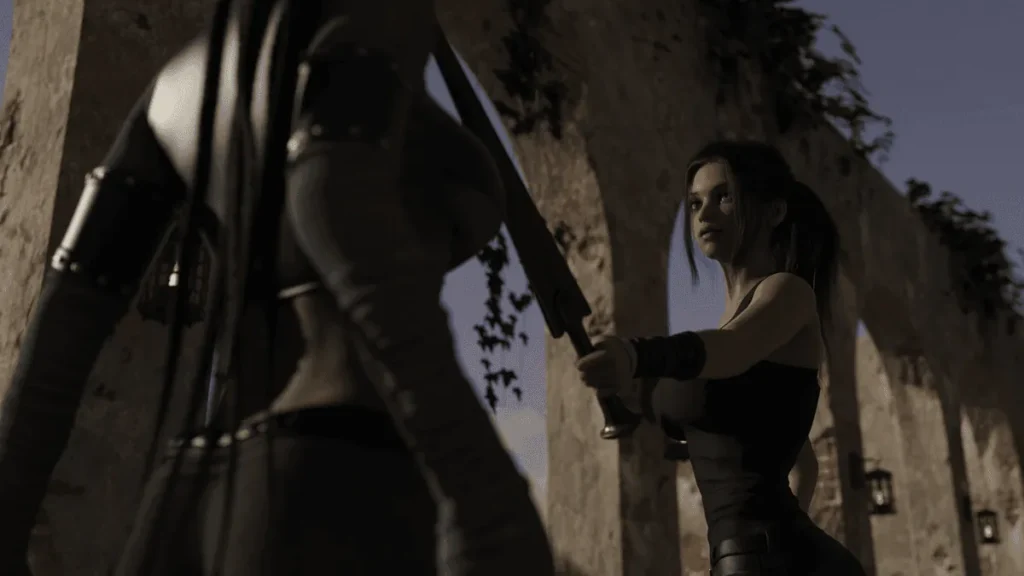
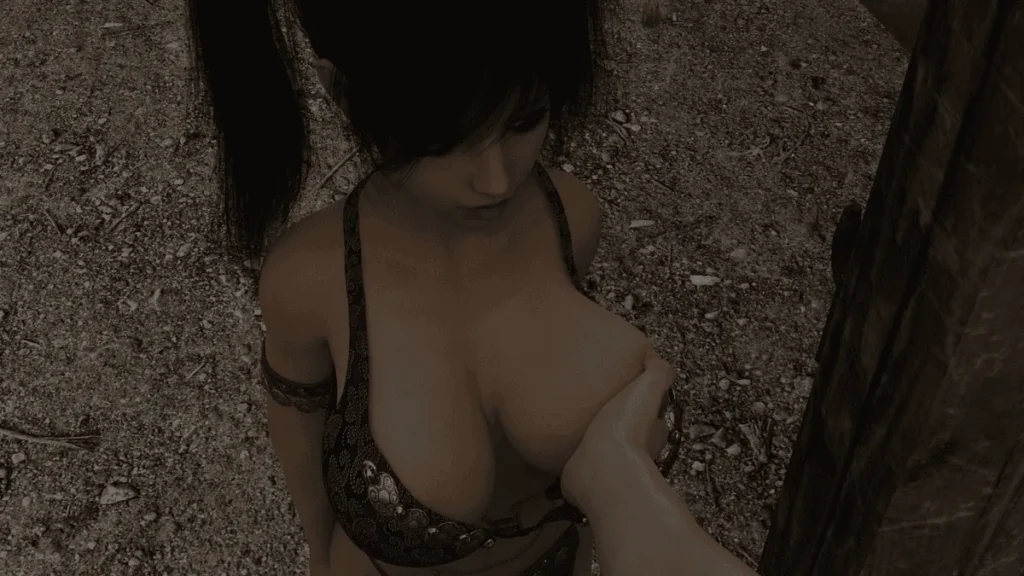
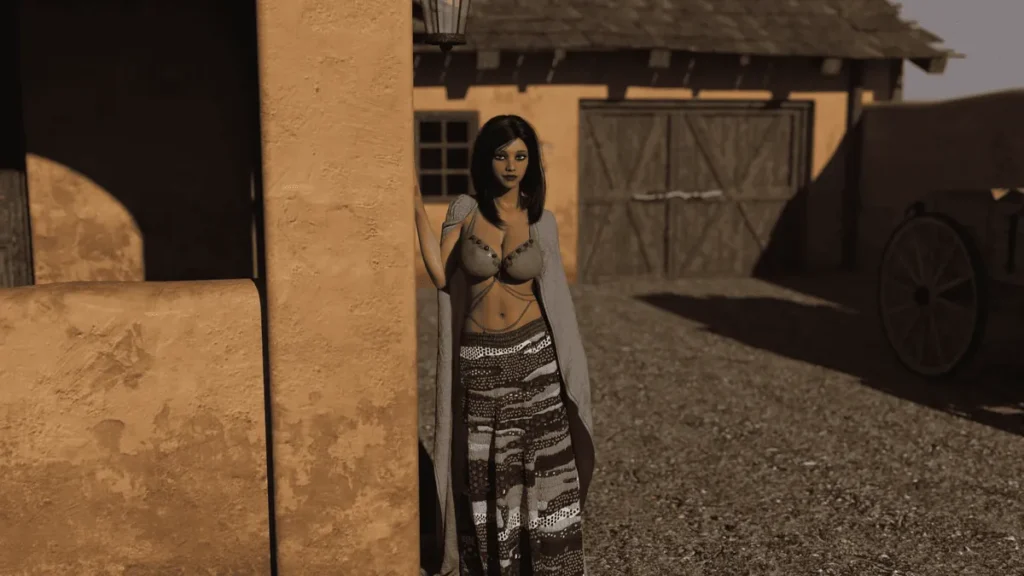
The most striking difference is its hybrid art style. Imagine the detailed, gritty realism of a fallen world, but with character expressions and cinematic moments that have the fluid emotion of anime. It’s not just eye candy; this style directly fuels the narrative. A character’s subtle glance of betrayal or a moment of reluctant compassion is sold through this visual language, making every interaction weightier. You’re not just reading dialogue options; you’re reading faces, environments, and body language.
But the true cornerstone is its “Choose Your Path” dynamics. This isn’t a simple “good vs. evil” slider. I remember a early game dilemma: a settlement was low on medicine, and I found a cache. I could be a hero and give it all to them, securing their loyalty. I could trade it for a powerful weapon, making my own survival easier. Or, I could hoard it, knowing a companion of mine was falling ill. The game didn’t judge me; it just remembered. Weeks later, that sick companion either saved my life in combat or wasn’t there at all, and the settlement either welcomed me with open arms or met me with distrust. This is the essence of RPG player choice and consequences—decisions that aren’t forgotten but are woven into the fabric of the world.
Here are the key post-apocalyptic RPG features that set Desert Stalker apart:
- A Truly Reactive Narrative: Quests and story branches appear, change, or vanish based on your reputation, past actions, and even the time of day. Miss an opportunity, and the world moves on without you.
- Moral Complexity: There are rarely perfect solutions. Every choice strengthens one aspect of your character while potentially weakening another, shaping your unique Desert Stalker character development path.
- Accessibility Without Compromise: This deep, PC-quality experience is available wherever you are. The ability to continue my saga on my phone during a commute is a game-changer for an RPG this detailed.
Speaking of platforms, this multi-device freedom is a huge part of its identity. You aren’t locked to one screen.
| Platform | Availability | Key Benefit |
|---|---|---|
| Windows | Full Native Version | Maximum graphical fidelity and performance. |
| macOS | Full Native Version | Seamless experience on Apple systems. |
| Linux | Full Native Version | Official support for open-source OS users. |
| Android | Optimized Mobile Port | Take your saved game and full story on the go. |
This cross-platform synergy means your apocalyptic journey is always in your pocket, allowing for bite-sized sessions of exploration or deep, hours-long narrative dives at home. It respects your time and your commitment to the story.
Character Development and Player Agency
Forget assigning stat points and calling it a day. In Desert Stalker, your character is built through action, not just allocation. 🧠 Your “build” is a living record of your morals, your alliances, and your survival instincts. This is where the game’s promise of agency becomes tangible.
Your journey begins with defining your Stalker’s core instincts. Are you a Scavenger, seeing the world as a puzzle of resources, talking your way out of trouble? A Predator, relying on intimidation and raw combat prowess to take what you need? Or a Survivor, a balanced mix, adaptable but master of none? This initial choice opens certain doors and makes others harder to unlock, but it doesn’t railroad you. My first playthrough was as a silver-tongued Scavenger. I thought I’d avoid fights. But when a raider gang held a friend hostage, my high “Barter” skill was useless. In a moment of rage, I opened fire. That single, emotional decision began to subtly shift my aptitude toward firearms, proving that Desert Stalker character development is organic.
The skill system is beautifully intertwined with this philosophy. Skills like Persuasion, Stealth, Field Medicine, and Brute Force don’t just level up from use—they are shaped by your story choices. Successfully negotiating a tense standoff will boost Persuasion. Choosing to sneak through an enemy camp instead of assaulting it hones your Stealth. The game constantly asks, “How do you want to solve this?” and then rewards you for sticking to that method, creating a powerful feedback loop.
Pro Tip: Don’t try to be a jack-of-all-trades on your first run. Pick a personality (the compassionate healer, the ruthless negotiator, the silent hunter) and lean into it. The world will react more strongly, and you’ll unlock more unique story branches.
This brings us to the soul of the experience: meaningful choices. We’re not talking about picking a dialogue color. We’re talking about systemic consequences. Helping one faction forage for water might drain a resource node, making a rival faction more desperate and hostile later on. Sparing a life might earn you a loyal ally who appears when you’re overwhelmed in battle. These RPG player choice and consequences are not flagged with fanfare; they simply become the new reality of your world. It makes every interaction feel significant and every playthrough uniquely yours. My “good” playthrough and my “ruthless” playthrough felt like completely different games, with different allies, enemies, and available quests. That’s the magic.
Combat Systems and Progression Mechanics
When conflict is inevitable—and in the wasteland, it often is—Desert Stalker delivers a combat experience that is tense, tactical, and deeply tied to your choices. This isn’t a mindless click-fest. The Desert Stalker combat system is a brutal dance of preparation, positioning, and resource management. ⚔️
Think of it as “thoughtful action.” You have a dynamic turn order, but the twist is your Stamina and Focus pools. Every action, from a powerful rifle shot to dodging behind cover, consumes Stamina. Let it drain to zero, and you’re left vulnerable, unable to act. Focus is used for precision skills, like targeting an enemy’s weapon arm or administering a quick stimpak to an ally. Managing these two resources in every encounter is the key to survival. I learned this the hard way when I charged a mutant, swinging my axe wildly until I was exhausted, only to watch helplessly as it lumbered up and took its revenge.
Weapon and armor condition is paramount. A “Legendary” rifle is useless if it jams at 30% durability in the middle of a firefight. Scavenging for cleaning kits and repair materials isn’t busywork; it’s a core survival loop. You’ll constantly be weighing the use of a powerful weapon against preserving it for a bigger threat. Do you use your last high-caliber round on this pack of creatures, or save it for the rumored boss ahead? These micro-decisions make every encounter strategic.
So, how to progress in Desert Stalker effectively? Progression is your reward for engaging with the world. You gain experience not just for killing, but for exploring, discovering secrets, and solving problems peacefully. This XP fuels your core level, granting you Perk Points.
| Progression Pillar | How It Works | Player Tip |
|---|---|---|
| Skill Growth | Improves passively through use and specific story choices. | If you want to be a medic, actively look for and help the wounded. |
| Perk Acquisition | Spend points on game-changing abilities that define your playstyle. | Specialize! A “Scrounger” perk for more ammo or a “Tactician” perk for better ambushes. |
| Gear & Crafting | Find blueprints and rare materials to upgrade and customize equipment. | Always check abandoned workshops. A simple mod can double a weapon’s effectiveness. |
| Reputation & Allies | Your standing with factions unlocks unique gear, quests, and support in battle. | You can’t please everyone. Choose your friends (and enemies) wisely. |
The most satisfying aspect of how to progress in Desert Stalker is that it never feels grindy. Because progression is tied so closely to your unique story path, getting stronger feels like a natural result of your journey and your decisions. Finding a blueprint for a silencer feels incredible because you earned it through exploration, not just by killing 50 of the same enemy.
Ultimately, Desert Stalker is a masterclass in weaving its systems together. Your character development dictates your combat style, which influences the choices you can make in the story, which in turn opens up new progression paths. It’s a cohesive, player-driven loop that makes you feel like the true author of your fate in a shattered world. This is the heart of its Desert Stalker gameplay mechanics—a deep, interconnected simulation where your agency is the most powerful tool in your arsenal. Now, go out there and see what kind of Stalker you will become. The desert is waiting. 🌵
Desert Stalker represents a significant achievement in indie RPG development, combining sophisticated narrative design with engaging gameplay mechanics and stunning visual presentation. The game’s strength lies in its commitment to player agency—every decision matters, and the consequences ripple throughout your journey across the wasteland. From its complex character development system to its branching narrative structure, Desert Stalker offers multiple playthroughs with genuinely different outcomes. Whether you’re drawn to the immersive post-apocalyptic setting, the challenging combat system, or the opportunity to shape your character’s moral compass, this title delivers a comprehensive RPG experience. For players seeking a game that respects their intelligence and rewards exploration of different playstyles, Desert Stalker stands as a compelling choice that continues to evolve with each update.