
Casey’s Fall
Play Casey’s Fall
Casey’s Fall Screenshots


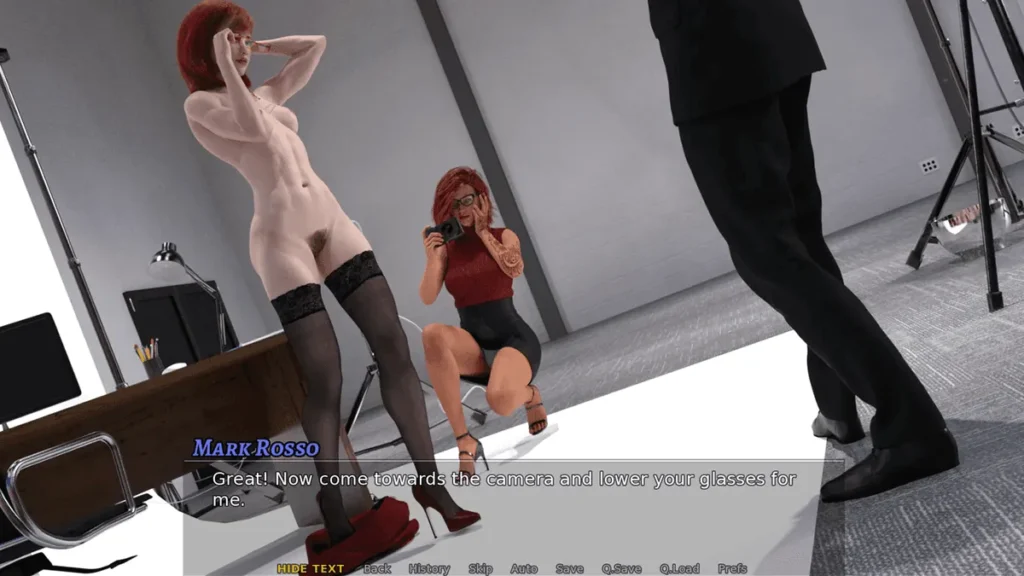


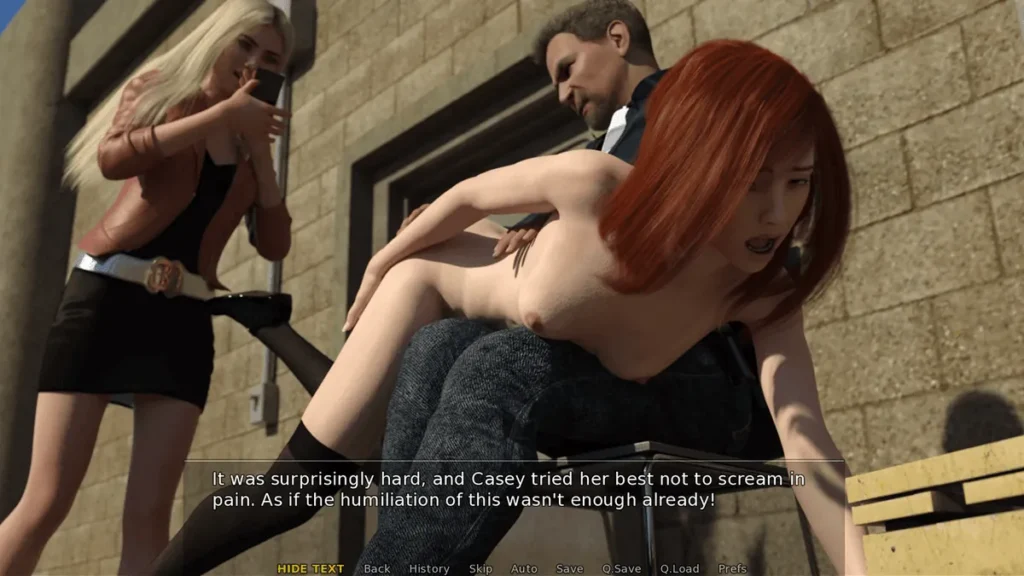




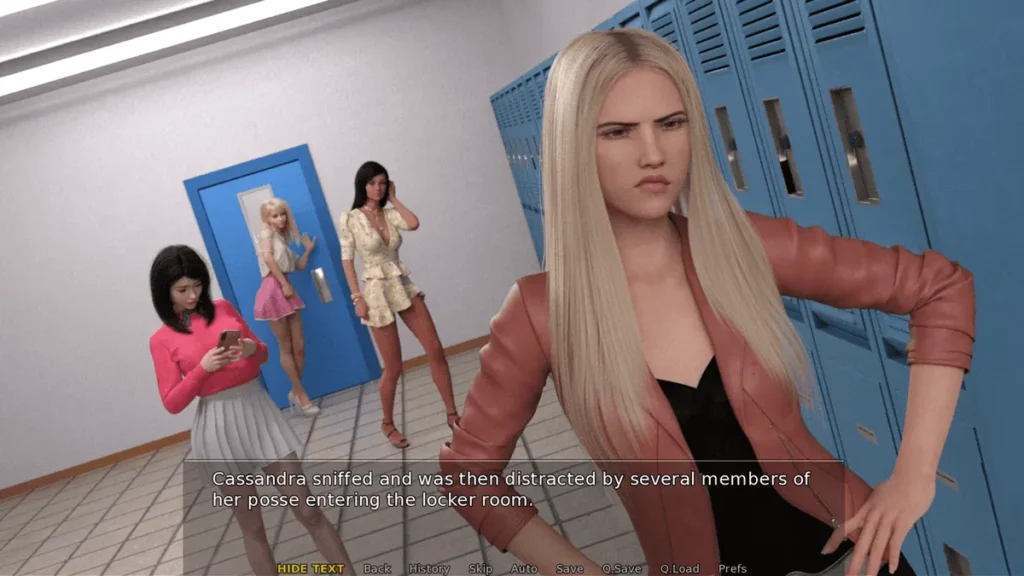

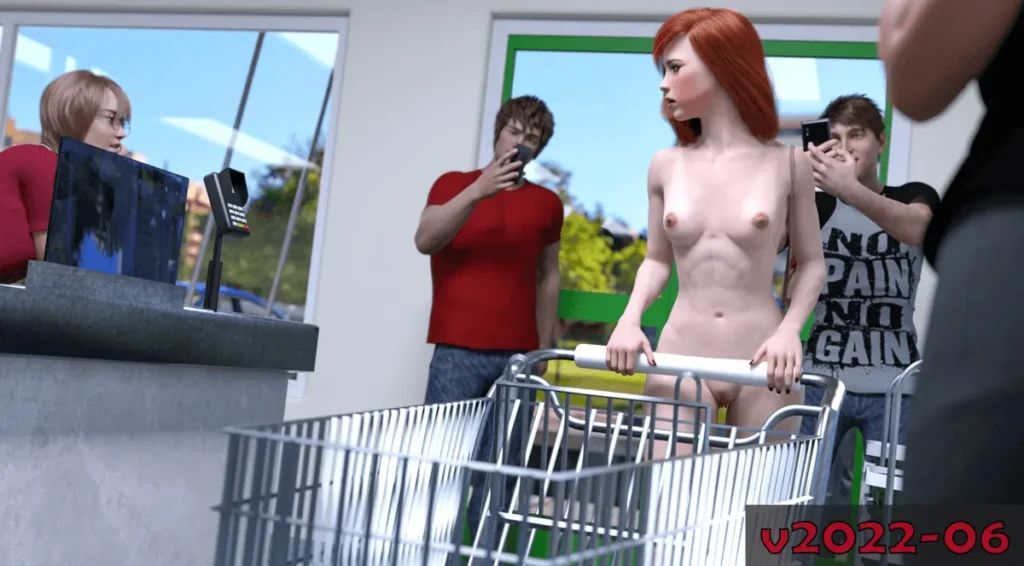
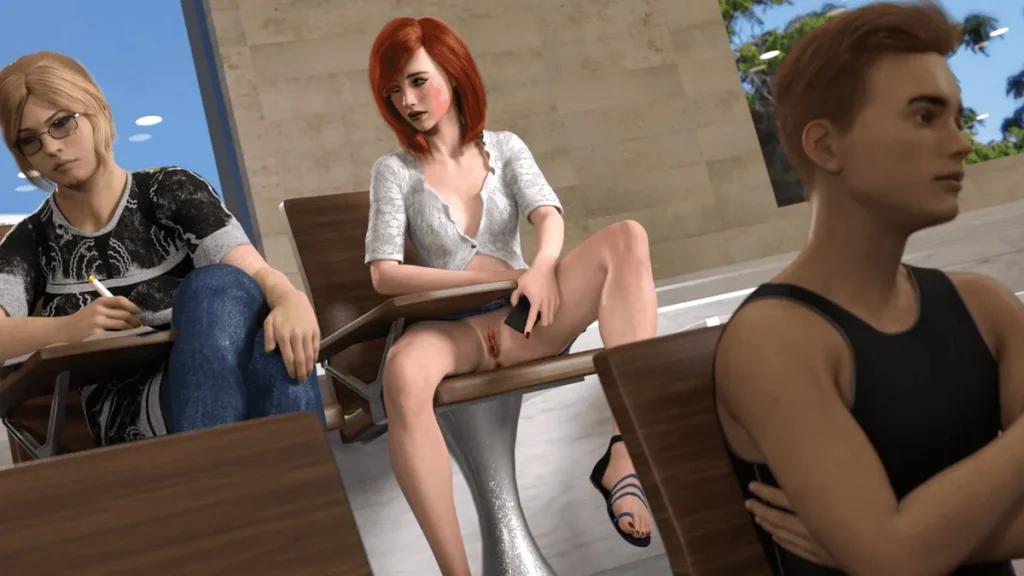







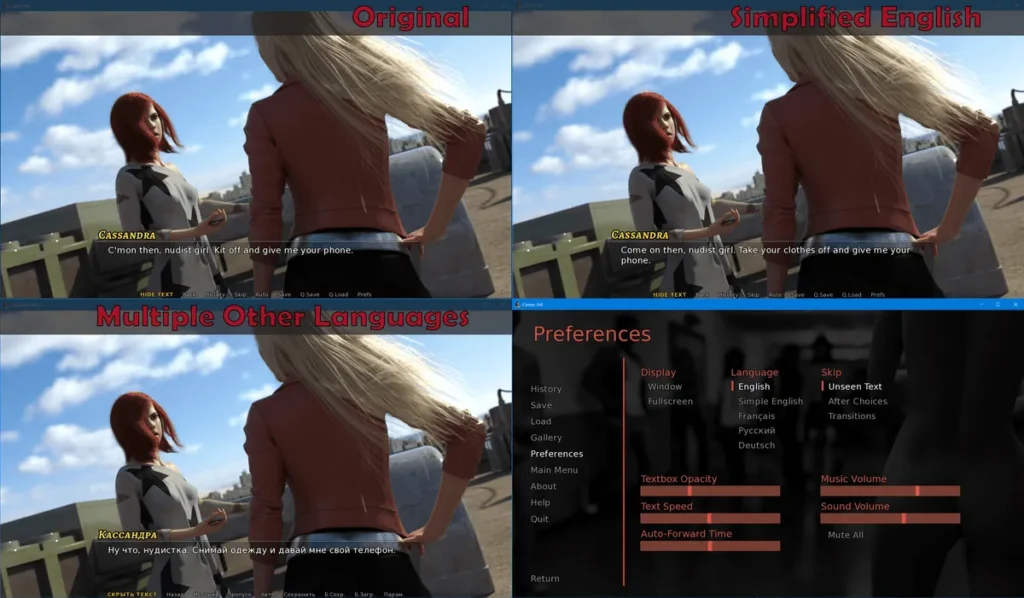
Casey’s Fall review
Explore the narrative-driven experience with blackmail, choices, and consequences
Casey’s Fall stands out as a complex kinetic visual novel that combines investigative gameplay with a gripping narrative centered on blackmail and coercion. Developed by Sakrilas and VelcroFist, this interactive experience places you in the role of Casey Reine, a tech student whose life takes an unexpected turn. The game focuses heavily on choice-driven storytelling, exhibitionism themes, and character-driven narrative elements. Whether you’re interested in the gameplay mechanics, story progression, or overall experience, this guide covers everything you need to know about this unique visual novel.
Understanding Casey’s Fall: Story, Setting, and Core Premise
Ever downloaded a game expecting one thing and getting completely sucker-punched by another? 😳 That was my experience with Casey’s Fall. I went in thinking, “Okay, a visual novel narrative about blackmail, got it.” What I didn’t expect was to be up at 2 AM, utterly consumed by the fate of a brilliantly voiced tech student, feeling the walls of her world close in with every click. This isn’t just a story; it’s an emotional excavation.
If you’re ready to dive into one of the most gripping interactive storytelling experiences out there, let’s pull back the curtain on the world, the people, and the heartbreaking premise that makes this game unforgettable.
The Narrative Foundation: What Happens in Casey’s Fall
At its core, the Casey’s Fall story is a masterclass in slow-burn psychological tension. You step into the life of Casey Reine character, a bright, somewhat reserved university student studying technology. Her world is orderly, if not a little dull—until it isn’t. A single, compromising photo, taken out of context, falls into the wrong hands. This is where the central blackmail plot ignites.
What begins as a simple, horrifying demand from a mysterious figure known only as “C” quickly spirals. The initial shock and panic you feel alongside Casey are just the opening act. The true depth of the Casey’s Fall story is revealed in the gradual escalation. “C” doesn’t just want one thing; they want to dismantle Casey’s sense of self, piece by piece. Each completed task erodes her boundaries, leading to more invasive and risky demands, pulling her further from her normal life and into a shadowy game where the rules are constantly changing.
Pro Tip: Don’t mistake the early game pace for slowness. Every conversation, every quiet moment, is laying emotional groundwork. Pay close attention to Casey’s internal monologue—it’s your best window into her crumbling mental state. 🧠
Because Casey’s Fall is a kinetic visual novel, your role isn’t to choose branching paths. Instead, you are a witness, compelled to turn the page on a story that feels terrifyingly inevitable. This format allows the writers to craft a meticulously paced descent, where every story beat hits with maximum impact. You can’t “game” the system to save her; you can only watch, empathize, and understand the immense pressure she’s under. This laser focus makes the interactive storytelling experience uniquely intense and character-driven.
To give you a clear view of how this tension builds, here’s a breakdown of the game’s pivotal structure:
| Chapter Phase | Key Plot Development | Character Introductions / Focus | Core Themes Explored |
|---|---|---|---|
| The Setup (Chapters 1-2) | Casey’s normal life is established before the initial blackmail message arrives, creating the inciting incident. | Casey Reine, hints of her roommate and friends. The anonymous “C” makes first contact. | Privacy, Vulnerability, The Shock of Violation. |
| The Descent (Chapters 3-5) | The demands escalate from private acts to semi-public situations. Casey begins juggling her double life. | “C”s presence grows. Friends like the loyal Eli or the observant Kim become more involved, creating risk of exposure. | Coercion, Isolation, The Erosion of Autonomy. |
| The Crisis (Chapters 6-8) | Tasks become dangerously public or involve other characters directly. The threat of “C” becomes all-consuming. | Relationships are strained to breaking point. The true nature of secondary characters is tested under pressure. | Moral Compromise, Paranoia, Loss of Identity. |
| The Climax & Fallout (Chapters 9-Epilogue) | The blackmail plot reaches its zenith, forcing a confrontation or a devastating resolution. The consequences solidify. | Every major character’s role in Casey’s ordeal comes to light. The final state of the **Casey Reine character** is revealed. | Consequences, Trauma, Survival, and the Question of Justice. |
The Perverse World: Setting and Context
You can’t talk about the Casey’s Fall story without understanding the twisted world it’s set in. This isn’t our society with a few tweaks; it’s a fully realized and deeply unsettling parallel reality. The game is a quintessential dystopian setting game, but its horror is bureaucratic and normalized, not post-apocalyptic.
The nation, simply called “The State,” has legalized two concepts that are fundamental to the plot: registered nudity and indentured slavery. 😨 These aren’t shadowy, back-alley practices—they’re part of the legal code, complete with paperwork and public registries. This context is what gives the blackmail plot its terrifying teeth. “C” isn’t just threatening to expose a private photo to friends; they’re threatening to leverage the full, oppressive power of The State against Casey, using its own laws as weapons.
This dystopian setting game framework does several brilliant things. First, it raises the stakes astronomically. A misstep could mean more than embarrassment; it could mean a loss of citizenship and freedom. Second, it creates a constant atmosphere of paranoia. Who supports these laws? Who might report you? It reframes every social interaction Casey has. Finally, it allows the game to explore complex themes of consent, autonomy, and power in a way that feels amplified and stark. The setting isn’t just a backdrop; it’s the cage, and watching Casey navigate its bars is a core part of the interactive storytelling experience.
Character Development and Voice Acting
If the world is the cage, the characters are its heartbreaking inhabitants. The visual novel narrative lives or dies by its cast, and Casey’s Fall soars because every character is beautifully, tragically flawed. This isn’t a tale of heroes and villains in the classic sense (though “C” is certainly an antagonist); it’s a story of people trying to survive in a broken system, often making terrible choices along the way.
Let’s start with the star. The Casey Reine character is a phenomenal achievement in writing and performance. Her voice acting is nothing short of transformative. You hear the sharp intake of breath when a new message arrives, the tremor of forced calm in her voice as she speaks to a friend while her world is falling apart, and the crushing weight of exhaustion as the ordeal continues. This performance pulls you directly into her subjective experience. You don’t just see her anxiety; you hear it, making the interactive storytelling experience profoundly intimate.
But Casey isn’t the only one with depth. The people around her are equally complex:
* Eli, the often-overbearing friend, might be motivated by genuine care, hidden jealousy, or a desire for control.
* Kim, the more perceptive companion, sees the changes in Casey but must weigh the risk of intervening against the rules of their society.
* Even minor characters are written with realistic motivations and biases that reflect the world they live in.
The genius of this visual novel narrative is that it understands blackmail is never just about the victim and the perpetrator. It’s a virus that infects every relationship. Watching Casey’s connections strain, warp, or break under the pressure of her secret is where much of the game’s emotional weight resides. You’re not just following a blackmail plot; you’re witnessing the collateral damage.
Because it’s a kinetic visual novel, the writers knew exactly how your attention would flow. This allowed them to craft dialogue and reactions with pinpoint precision, building character arcs that feel inevitable and true. There’s no “good” or “bad” ending route that changes who these people are at their core. Instead, you get a single, powerful, and devastatingly coherent look at how pressure reveals character.
In the end, Casey’s Fall uses its restrictive kinetic visual novel format not as a limitation, but as a lens. It focuses all its power on a single, unflinching narrative journey through a chilling dystopian setting game. It asks you to live through the Casey’s Fall story alongside its exquisitely voiced protagonist, offering no easy escapes from its compelling blackmail plot. The result is a visual novel narrative that stays with you long after the final screen fades to black, a testament to the raw power of focused, character-driven interactive storytelling experience.
Casey’s Fall represents a sophisticated approach to interactive storytelling within the adult visual novel genre, combining investigative gameplay mechanics with a compelling narrative centered on complex themes. The game’s strength lies in its character-driven story, intuitive dialogue system with meaningful consequences, and immersive investigation mechanics that make players feel like active participants in Casey’s journey. With its detailed graphics, voice acting, and multiple narrative paths, the game offers substantial replay value and engagement. Whether you’re drawn to the investigation elements, character interactions, or thematic exploration, Casey’s Fall delivers a complete experience that balances mature content with genuine narrative depth. For those interested in visual novels that prioritize storytelling alongside interactive elements, this title stands as a notable entry in the genre worth exploring.