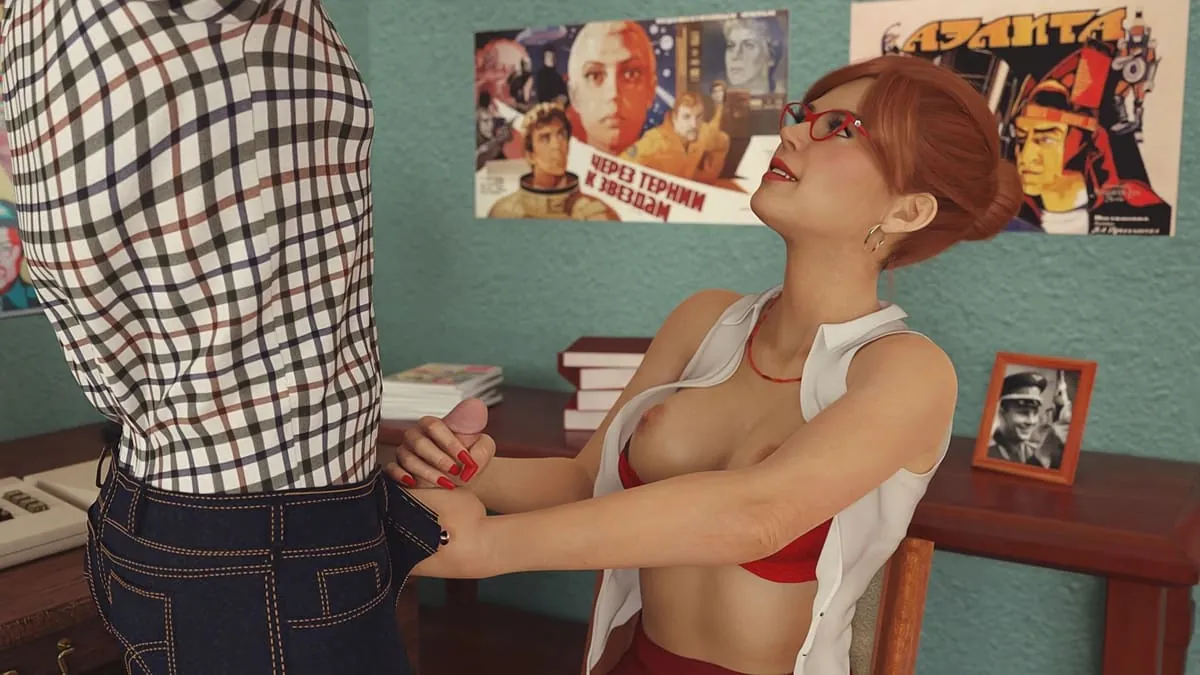
Big Brother: Another Story Rebuild
Play Big Brother: Another Story Rebuild
Big Brother: Another Story Rebuild Screenshots



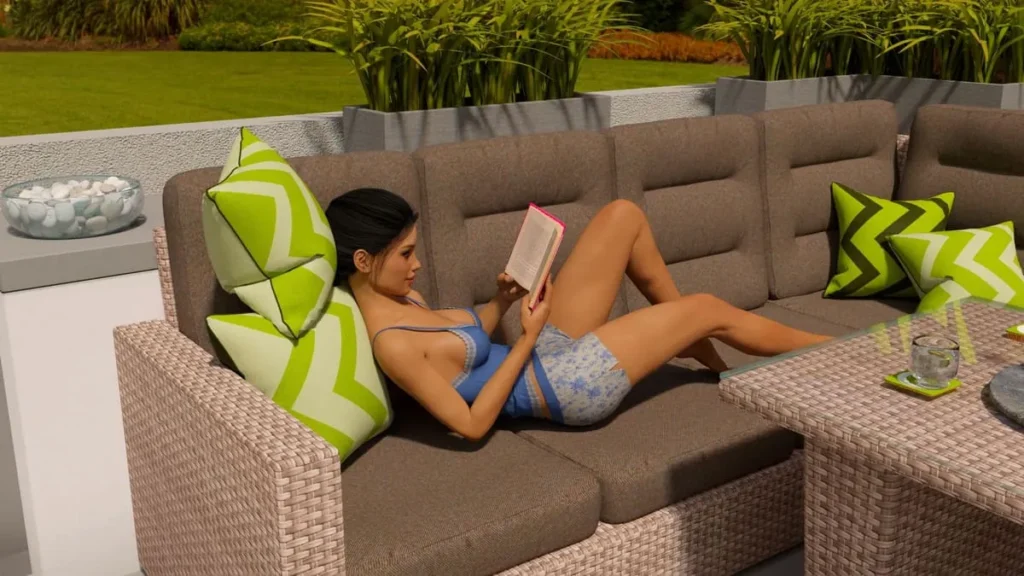


Big Brother: Another Story Rebuild review
Complete Overview of Gameplay, Features, and Story Elements
Big Brother: Another Story Rebuild is an interactive narrative-driven game that combines sandbox gameplay with RPG elements and high-quality visuals. Players assume the role of Max, a young man from a struggling family whose life changes dramatically after receiving an unexpected gift from his father. The game offers a unique experience where your decisions shape the storyline, uncover family secrets, and determine your relationships with other characters. With its immersive 1920×1080 renders, branching dialogue options, and multiple quest lines, this game delivers an engaging adventure that rewards exploration and strategic decision-making.
Understanding the Core Gameplay and Story Setup
The Protagonist and Initial Circumstances
Let’s be honest, we’ve all dreamed of a lucky break. 🍀 In Big Brother: Another Story Rebuild, you step into the worn-out shoes of Max, a guy whose life is the definition of a rough start. Picture this: you’re living in a cramped, struggling household with your mother and two sisters, every day a financial tightrope walk. The mood is tense, opportunities feel scarce, and let’s just say the future looks… dim.
Then, out of the blue, comes a curveball from a father who’s been out of the picture. He gifts you a massive, beautiful house complete with a pool. It sounds like a dream, right? 🏡 But here’s the catch that defines the entire Big Brother Another Story Rebuild gameplay experience: the house comes with zero funds to maintain it. No magic bank account, no fairy godmother. It’s just you, a huge empty property, and the same old financial pressures.
This brilliant setup is your catalyst. You’re not a chosen hero handed a sword; you’re an ordinary guy handed an extraordinary problem. This gift is less of a solution and more of a giant, empty canvas. Your mission is clear: figure out how to survive, improve your family’s situation, and navigate the complex social web around you—all starting from this point of overwhelming potential and equally overwhelming responsibility. It’s a story about climbing out of a hole when someone has just handed you a much bigger shovel. The initial circumstances in this interactive gameplay experience are designed to make every small victory feel earned and every decision carry real weight.
Here’s a quick overview of what this foundation sets in motion:
- Player-Driven Goals: There’s no flashing quest marker saying “Do This.” You decide what “success” means.
- Resource Management: Time, money, and social energy are your core resources.
- Family Dynamics: Your relationships with your mother and sisters are your initial emotional anchors and sources of conflict.
- Exploration Incentive: That big, empty house and the town around it are full of secrets and opportunities waiting to be discovered.
Sandbox Gameplay Mechanics and Freedom
Forget linear point-A-to-point-B storytelling. One of the most compelling draws of Big Brother Another Story Rebuild gameplay is its embrace of true sandbox game mechanics. This isn’t a guided tour; it’s you being dropped into a living, breathing world with a simple directive: figure it out.
Think of the game world as your personal playground of possibilities. 🎮 You can choose to focus on fixing up your new house, exploring every corner of the town to meet its inhabitants, pursuing educational or career opportunities, or deepening bonds with specific characters. The clock ticks in real-time, days pass, and events occur whether you interact with them or not. This freedom is exhilarating but can also be daunting.
Pro Tip from a Veteran Player: In my first playthrough, I was so overwhelmed I just spent a week in-game trying to clean the pool! It felt pointless until I realized a cleaner character noticed my dedication, which opened up an entirely new character relationship path I hadn’t anticipated. The game rewards curiosity.
The sandbox game mechanics mean there is no “correct” order to do things. Maybe you’ll prioritize making money through odd jobs before even speaking to your neighbors. Perhaps you’ll dive headfirst into the social scene, letting financial woes pile up. This design creates a deeply interactive gameplay experience where your personal priorities directly sculpt your version of the story. The game trusts you to find your own fun and your own trouble, which makes every discovery feel uniquely yours.
However, with great freedom comes great consequence. The world is interconnected. Helping one person might anger another. Spending all day at the library might mean missing a crucial event at home. This isn’t a world that pauses for you; it’s a world you must learn to navigate.
| Sandbox Element | Player Freedom & Impact |
|---|---|
| Open-World Exploration | Visit locations in any order, uncovering hidden events, items, and characters at your own pace. |
| Time Management | Choose how to spend each hour of each day. Work, socialize, study, or relax—your schedule is yours to manage. |
| Activity & Skill Engagement | Engage in various activities that can influence your stats, unlock new dialogue options, or trigger specific story events. |
| Event Triggers | Many story beats are triggered by player action (or inaction), not by scripted progression, making each playthrough unique. |
How Choices Shape Your Story Progression
This is where Big Brother: Another Story Rebuild truly shines and separates itself from more passive experiences. Every conversation, every action, and every silent decision is a brick in the road you’re building. The game’s heart lies in its RPG dialogue choices and story progression decisions that create genuine branching narrative paths.
You’re not just picking “Nice,” “Funny,” or “Sarcastic” for flavor text. When you talk to someone, your choices carry tangible weight. A supportive comment could slowly build trust, opening up new, intimate conversation threads and side quests later on. A dismissive or aggressive reply might shut a door permanently, locking you out of that character’s subplot forever. I learned this the hard way when I insulted a local shopkeeper early on; for the rest of that playthrough, his prices were higher for me, and he refused to share useful gossip. 😅
These RPG dialogue choices are the primary tool for navigating character relationship paths. Each major character has their own personality, history, and set of flags that move them toward friendship, romance, rivalry, or outright hostility. There’s no universal “likes/dislikes” bar; it’s more nuanced. A choice that endears you to your sister might disappoint your mother. The game masterfully creates these interpersonal webs.
| Choice Type | Potential Consequence & Path Created |
|---|---|
| Dialogue Selection | Directly alters a character’s opinion of Max, unlocking or locking future scenes, quests, and endings related to them. |
| Action-Based Decision | Choosing to help one character over another, or to be caught in a specific location, can pivot the main plot direction. |
| Resource Allocation | Spending money on a gift vs. a house repair can dramatically alter relationship progression and available story events. |
| Time-Based Choice | Choosing who to spend time with inherently shapes your story, as missed events with others may not repeat. |
The story progression decisions are often monumental. The game presents you with moral, ethical, and practical dilemmas that have no clear “good” answer, only different outcomes. These are the moments that define your branching narrative paths. Will you resort to underhanded methods to get quick cash to save the house? Will you expose a secret to gain leverage, potentially destroying a relationship in the process?
Crucially, the game emphasizes permanence. In the current version, many major choices are irreversible. You can’t quick-save before a tough call and reload to see both sides—you live with the result. This makes every decision feel charged with real stakes. You might find yourself locked into a specific story arc based on a choice you made hours earlier, discovering new layers to the narrative that you didn’t even know existed on a previous run.
This design encourages—no, demands—experimentation. One playthrough could see Max as a compassionate protector, mending family ties and building a supportive community. Another could see him as a cunning opportunist, using relationships as stepping stones. The branching narrative paths are vast, and seeing how small, early RPG dialogue choices ripple out into dramatically different endings is the core reward of this rich interactive gameplay experience.
So, dive in. Talk to everyone. Try things that seem risky. Save often in different slots. And most importantly, embrace your story, whatever it becomes. Your journey through the Big Brother Another Story Rebuild gameplay is waiting to be written, one deliberate, consequential choice at a time. ✍️
Big Brother: Another Story Rebuild stands out as a sophisticated interactive narrative game that merges sandbox exploration with meaningful decision-making. The game’s strength lies in its interconnected system of opportunities and events, where player choices create lasting consequences that shape both the story and character relationships. With its high-quality visuals, diverse quest lines, and the constant discovery of family secrets, the game offers substantial replay value as different choices lead to entirely different outcomes. Whether you’re focused on the economic challenge of earning money, unraveling the mysteries within your family, or developing specific relationships with other characters, the game provides multiple avenues for engagement. The branching narrative paths and permanent story decisions ensure that each playthrough feels unique and personal. For players seeking an immersive experience where their choices genuinely matter and the story adapts to their decisions, Big Brother: Another Story Rebuild delivers a compelling and engaging adventure that rewards careful planning and exploration.