Play Adverse Effects
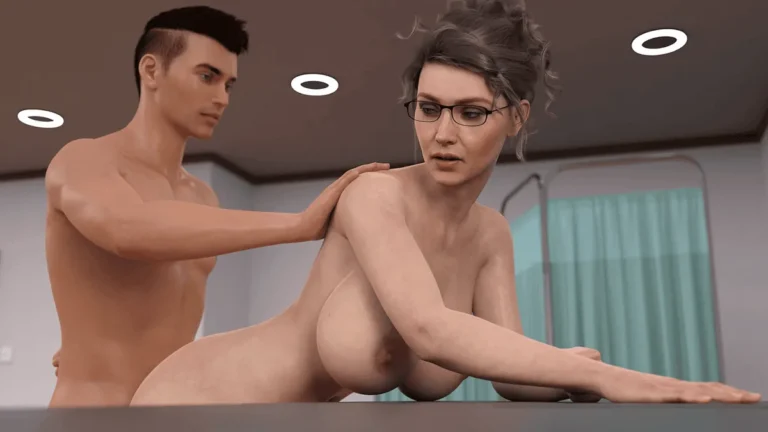
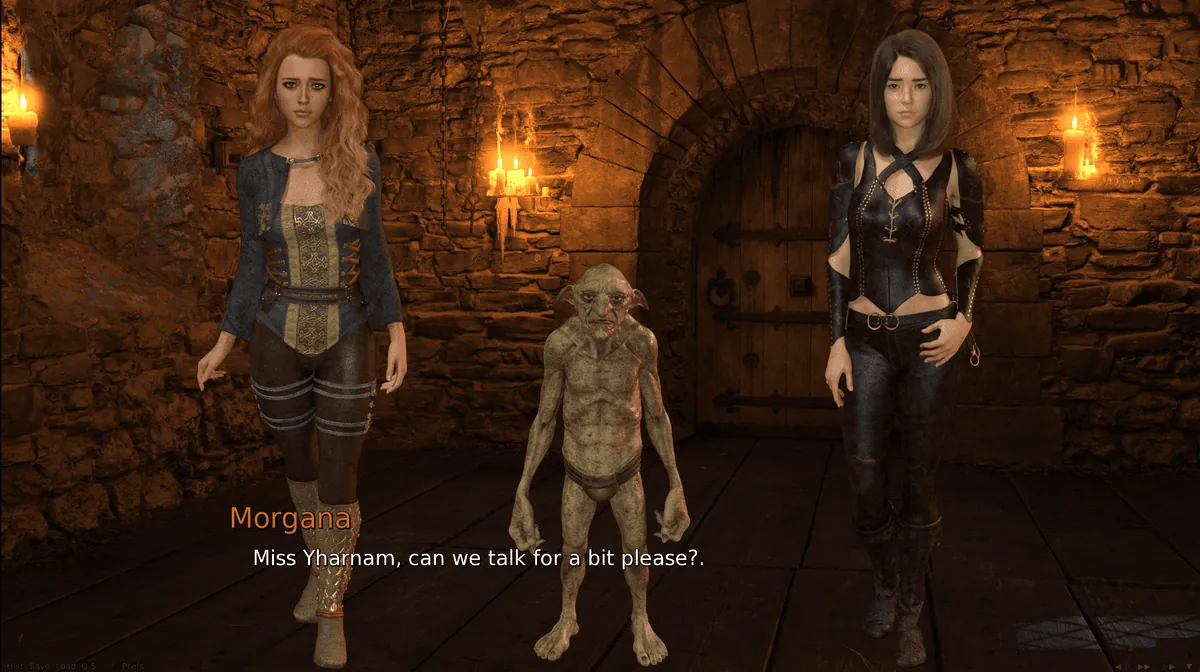
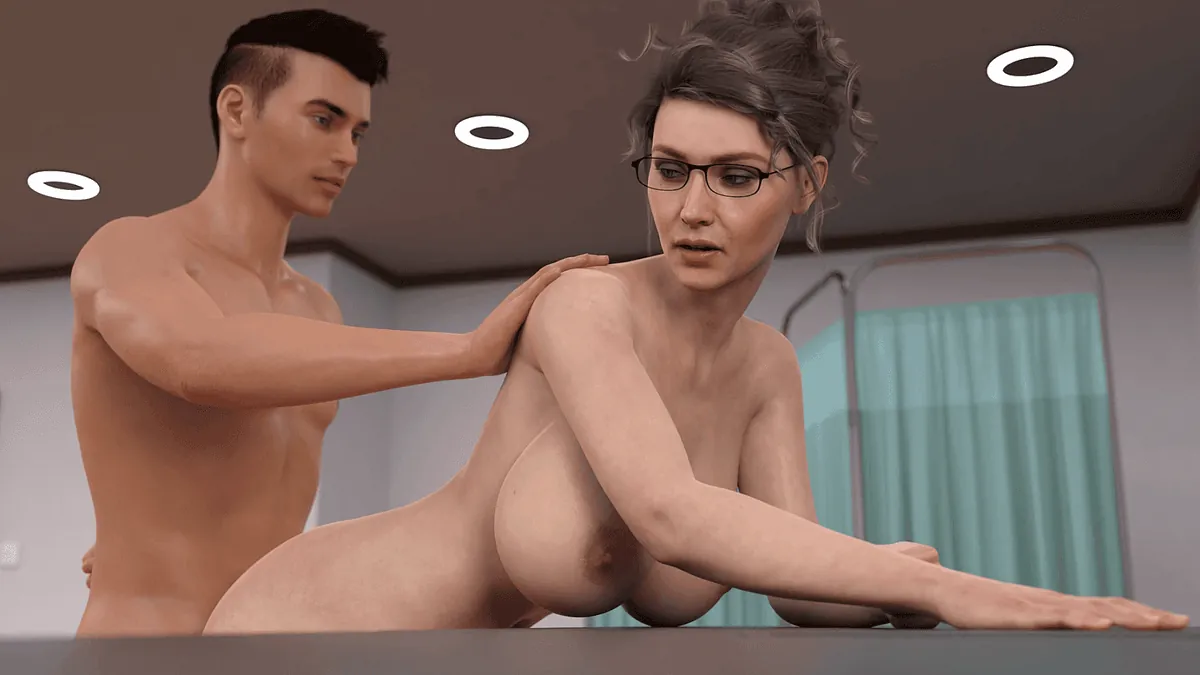
Adverse Effects Screenshots













Adverse Effects review
Exploring the real-world impacts and recovery paths from this immersive adult title
Have you ever dived into ‘Adverse Effects,’ the controversial porn game that’s captivating players with its intense, boundary-pushing scenarios? I remember my first session—it started as harmless curiosity but quickly spiraled into hours lost in its addictive pull. Like many, I ignored the warning signs until real life started crumbling. This article uncovers the adverse effects of ‘Adverse Effects,’ from brain rewiring and relationship strain to unexpected health dips. If you’re playing or considering it, stick around to learn how to spot risks early and reclaim control. We’ll break it down with personal stories, practical tips, and eye-opening facts to keep you informed and safe.
What Are the Main Adverse Effects of the Adverse Effects Porn Game?
I remember the first time I played Adverse Effects. It was a late night, curiosity got the better of me, and the promise of an “immersive adult title” was just a click away. 🤯 A few weeks in, I noticed something unsettling. It wasn’t just the game; it was me. My mind felt foggy during the day, and my thoughts kept drifting back to the game’s scenarios, craving something more intense than the last session. I wasn’t just playing a game; I felt like it was starting to play me. This isn’t just about morality; it’s about neurology. The Adverse Effects porn game is engineered to hijack your brain’s reward system with alarming efficiency, and the real-world costs can be steep.
Let’s pull back the curtain on the main Adverse Effects game risks and understand what this experience is actually doing under the hood.
How Does It Rewire Your Brain for Escalation?
At its core, Adverse Effects is a dopamine delivery system. Dopamine is your brain’s “seek and reward” chemical, and the game is masterfully designed to flood your system with it. Every new scene, every unlocked interaction, every extreme visual is a hyper-stimulating hit. 🎯
But here’s the catch: your brain adapts. It’s designed to seek homeostasis. When you bombard it with such high levels of stimulation from the adverse effects porn game, it downregulates. Your dopamine receptors become less sensitive. What thrilled you last week now feels mundane. So, what do you do? You seek out more novel, more explicit, or more extreme content within the game to try to recapture that initial high. This creates a vicious cycle of escalation.
This isn’t casual play. This is a direct path to brain changes from Adverse Effects. You’re literally training your neural pathways to associate reward with increasingly intense and often unrealistic stimuli. The “reward” for logging in isn’t just fun; it’s a neurological event that reshapes your expectations and desires.
The table below breaks down how this experience differs fundamentally from standard gaming:
| Aspect | Normal Gaming | Adverse Effects Play |
|---|---|---|
| Dopamine Hit | Tied to achievement, skill, or story progression. Peaks are spaced out. | Direct, frequent, and tied to explicit visual/psychological stimulation. Designed for rapid, intense release. |
| Escalation Need | Driven by game difficulty or narrative curiosity. Relatively slow build. | Driven by neurological desensitization. Requires more extreme content to trigger the same reward response, leading to a rapid search for “harder” material. |
| Real-Life Spillover | May involve thinking about strategies or stories. Generally compartmentalized. | Can rewire attraction templates, lower satisfaction with real partners, and create persistent intrusive thoughts or cravings. |
This cycle of desensitization in Adverse Effects is the engine of its hook. You’re not losing interest; your brain is chemically demanding more to feel anything. 😮💨
Why Does It Trigger Desensitization and Aggression?
This brings us to one of the most concerning Adverse Effects game risks: the link to aggression. Adverse Effects isn’t a passive viewing experience; it’s an interactive world where players often engage with and sometimes direct content that can include power dynamics, control, and simulated aggression.
The desensitization in Adverse Effects works on two levels. First, as described, it’s the numbing to sexual stimuli. Second, and just as dangerously, it can be a numbing to aggressive or violent themes when they are consistently paired with reward. When extreme themes are your brain’s source of a “win” or a “reward,” you become less shocked by them. The lines between fantasy and acceptable reality can blur.
This is a core part of how Adverse Effects causes aggression. Research on media effects consistently shows that repeated exposure to violent content, especially when the user is an active participant, can reduce empathetic responses and increase aggressive thoughts. In the context of this game, where such themes are often central to the gameplay mechanics, players may find themselves:
* Feeling unusually irritable or impatient in daily life.
* Having a shorter fuse during disagreements.
* Fantasizing about controlling or aggressive scenarios outside the game.
It’s a spillover effect. The game normalizes a world where certain behaviors are rewarded, and that new normal can subtly color your perceptions and reactions off-screen. Recognizing this isn’t about shame; it’s about awareness—understanding that the brain changes from Adverse Effects aren’t confined to your private time. 🧠⚠️
Can It Lead to Real-Life Intimacy Breakdowns?
This is where the theoretical risks become heartbreakingly practical: Adverse Effects intimacy problems. The game crafts a fantasy world with limitless, compliant, and physically exaggerated characters designed solely for the player’s gratification. Real human intimacy is messy, communicative, reciprocal, and imperfect.
When your brain gets accustomed to the on-demand, no-strings-attached, extreme world of the adverse effects porn game, a real partner can unconsciously feel… lacking. This isn’t their fault. It’s the result of a hijacked reward system. Common issues include:
- The Comparison Trap: Unconsciously comparing a real partner’s body, responses, or enthusiasm to the engineered perfection in-game.
- Objectification: Viewing partners more as instruments for personal gratification rather than complex, emotional equals.
- Performance Anxiety: For both men and women, the game sets an unrealistic script for what intimacy “should” look like, leading to anxiety and dissatisfaction.
- Emotional Disconnection: When the primary template for intimacy is a solo, screen-based experience, connecting deeply with another person can feel unfamiliar or even taxing.
I spoke to a former player, Alex, whose story drives this home. He told me:
“I chased harder scenes in Adverse Effects until real touch felt dull—my relationships suffered. I didn’t even see it happening until my partner said she felt like just another object in my game. She left. That was my wake-up call.”
Alex’s story highlights the ultimate cost. The Adverse Effects intimacy problems aren’t just about performance; they’re about eroding the very foundation of trust, mutual respect, and emotional connection that real relationships require. 💔
Taking Back Control: Practical Steps Forward
Understanding these Adverse Effects game risks is the first step. The second is action. The game’s design thrives on what I call the “Triple-A” trap: it’s Affordable, Anonymous, and Available Anytime. This constant access is what amplifies the brain changes from Adverse Effects, making habit formation easy and breaking it hard.
But you can reset. Here’s how to start monitoring and managing the impact:
- Track Your Play Honestly: Use a simple app or notepad. Log your time and, more importantly, your motivation for playing. Was it boredom? Stress? Habit? Awareness disrupts autopilot.
- Implement Device & Time Limits: Use phone settings or router schedules to create literal barriers to access. Give your willpower a helping hand by making impulsive play more difficult. 🛑
- Re-engage with Real-World Rewards: Actively pursue activities that release dopamine in healthier, sustainable ways: exercise, learning a skill, face-to-face socializing, or completing a project. You need to remind your brain there are other sources of reward.
- Monitor Your Inner Dialogue: Pay attention to your thoughts about others and your expectations for intimacy. If you notice objectifying thoughts or unfair comparisons creeping in, acknowledge them without judgment and consciously redirect your focus to qualities like kindness, humor, and connection.
- Consider a Digital Detox: A full break—even a short one—from the adverse effects porn game can help lower your tolerance and give you clarity on its true influence over your mood and cravings.
The goal isn’t to live in fear of a game, but to live in control of your own mind and relationships. The immersive world of Adverse Effects can create real adverse effects in your life, from subtle brain changes to significant intimacy problems. By recognizing the signs of desensitization and understanding how it can influence aggression, you equip yourself with the knowledge to choose a different path. Your brain is adaptable—the same neuroplasticity that allowed the game to rewire it also gives you the power to rewire it back towards real, connected, and fulfilling human experiences. 🌱
Diving into ‘Adverse Effects’ might promise thrills, but as we’ve explored, its adverse effects on your brain, emotions, and connections can sneak up fast—just like they did for me and countless others. From desensitization and aggression spikes to crumbling intimacy, recognizing these patterns is your first win. Take charge today: set strict play boundaries, seek support from communities or pros, and rediscover joy in real-world pursuits. You’ve got the tools here to pivot—start small, stay mindful, and build a healthier path forward. Your future self will thank you.