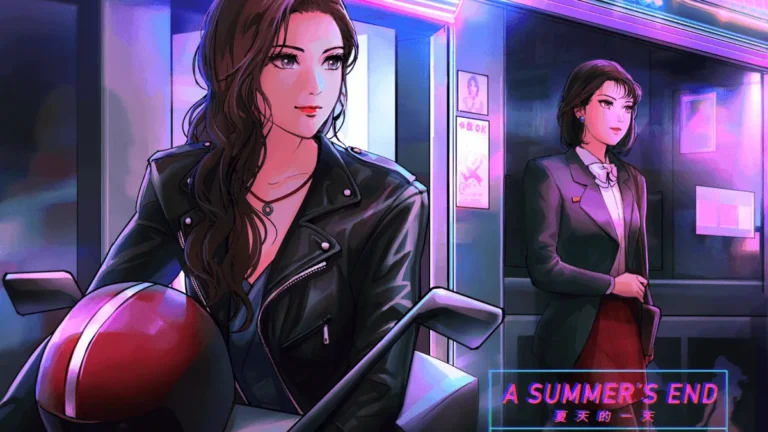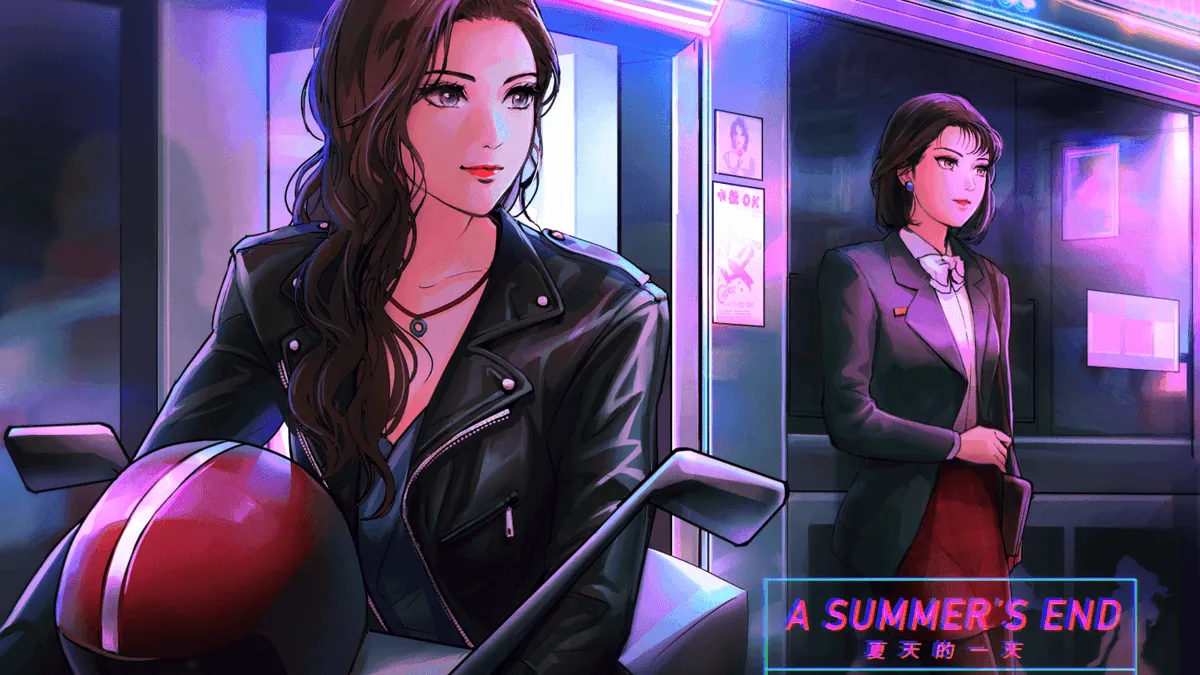
A Summer’s End – Hong Kong, 1986
Play A Summer’s End – Hong Kong, 1986
A Summer’s End – Hong Kong, 1986 Screenshots




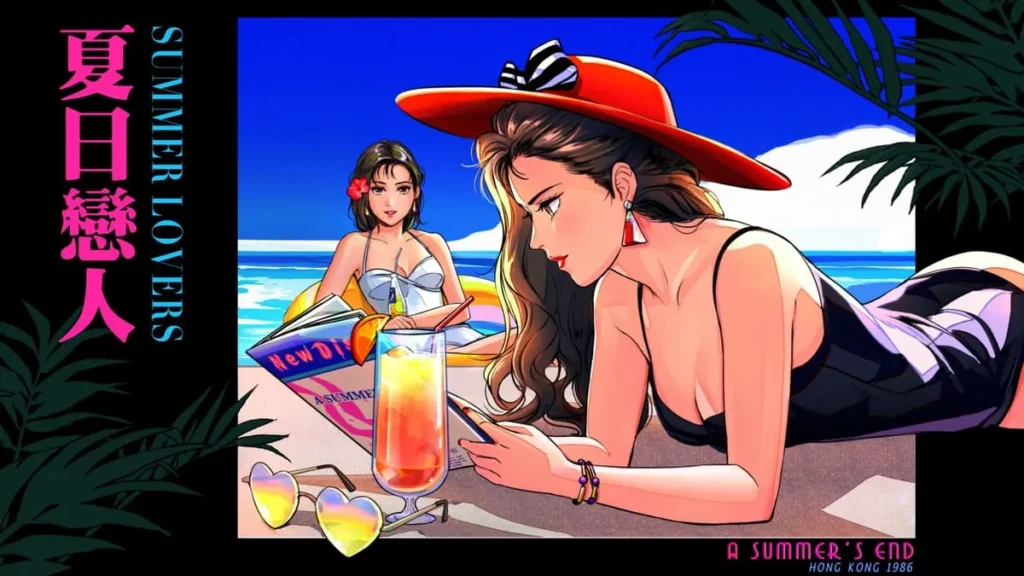


A Summer’s End – Hong Kong, 1986 review
Explore the heartfelt romance and vibrant 1980s visuals in this captivating visual novel
Imagine stumbling upon a chance encounter in the bustling streets of 1986 Hong Kong that sparks a tender romance between two women navigating love, identity, and family pressures. That’s the magic of A Summer’s End – Hong Kong, 1986, a visual novel that pulls you into its neon-lit world with stunning 80s anime-inspired art and a vaporwave soundtrack. I first played it during a rainy evening, and the emotional depth hooked me instantly—Michelle and Sam’s story felt so real, blending cultural clashes with intimate moments. Whether you’re here for the romance, the scenery, or the optional intimate scenes via the adult patch, this guide dives deep to enhance your experience.
What Makes A Summer’s End Hong Kong 1986 Unforgettable?
I remember stumbling across A Summer’s End – Hong Kong, 1986 almost by accident. A screenshot of rain-slicked streets glowing under neon signs stopped my endless scrolling cold. It wasn’t just another game; it was a portal. As someone who’s always been fascinated by the 80s, the promise of a visual novel Hong Kong 1986 experience built with such clear love and research was impossible to ignore. What I found when I clicked ‘play’ was so much more than pretty pictures—it was a full-hearted journey into a specific time, place, and a beautifully told story. So, what exactly is A Summer’s End game? Let’s dive into what makes this experience so uniquely captivating.
How the 1986 Hong Kong Setting Immerses You Completely
From the very first frame, A Summer’s End – Hong Kong, 1986 makes one thing brilliantly clear: you are not just playing a story set in the past; you are being invited to live in it. The 1986 Hong Kong setting isn’t a vague backdrop—it’s a meticulously crafted character in its own right. The developers, Oracle & Bone, didn’t just draw inspiration from retro aesthetics; they undertook a massive research project, pouring over photographs, films, and personal accounts to rebuild a city on the cusp of immense change.
You feel this in every pixel. The game is a love letter to what fans lovingly call “scenery porn.” One moment, you’re breathing in the salty air of the Sai Kung seascapes, all tranquil blues and fishing boats bobbing gently on the water 🛥️. The next, you’re thrust into the electrifying chaos of the Mong Kok neon streets, where towering signs for nightclubs and electronics shops bathe the bustling crowds in a symphony of crimson, cyan, and amber light 🌃. The attention to detail is staggering—from the specific models of cars on the road and the brands of soda in Michelle’s fridge to the authentic layout of a 1986 cinema lobby.
This commitment transforms the experience. When Michelle takes the Star Ferry, you don’t just see a boat; you see the iconic green-and-white vessel churning the waters of Victoria Harbour, with the rapidly growing skyline of Central in the distance. It’s a Hong Kong caught between its colonial past and an uncertain future, a feeling that directly mirrors the personal journeys of our protagonists. This world feels lived-in, authentic, and deeply poignant, making the visual novel Hong Kong 1986 a truly transportive piece of historical fiction.
Why Michelle and Sam’s Romance Captivates Players
At its core, A Summer’s End – Hong Kong, 1986 is about the connection between two women from seemingly different worlds. The Michelle and Sam romance doesn’t begin with grand declarations or clichéd meet-cutes. It starts with a fender bender—a chance, awkward encounter between Michelle, a straight-laced office worker clinging to tradition and family duty, and Sam, a free-spirited, independent hairdresser who embodies the modern energy of 1980s Hong Kong 🚗💥.
What makes their story so compelling is its profound realism and lack of exploitation. This isn’t a tragedy-focused narrative. Instead, it’s a gentle, nuanced exploration of identity, desire, and the courage to be yourself in a world full of expectations. Their conversations feel genuine—filled with hesitant smiles, shared jokes over pineapple buns, and the quiet tension of unspoken attraction. You witness their bond strengthen through small, intimate moments: dancing in a club, sharing secrets on a quiet pier, or simply navigating the complicated dynamics of Michelle’s traditional family.
The game beautifully ties their personal growth to the 1986 Hong Kong setting. Michelle’s struggle between her filial responsibilities and her own happiness reflects the city’s own tension between old customs and new influences. Sam, with her confident individuality, represents the vibrant, forward-looking spirit of the era. Their romance becomes a microcosm of a society in transition, making every step of their relationship feel significant and earned. The Michelle and Sam romance works because it’s built on a foundation of authentic character development and a deep respect for their individual journeys.
Beyond the story, the game is a technical and artistic marvel. Key features that bring this world to life include:
* Exquisite Hand-Drawn Art: Every background and character sprite is painted with incredible detail, capturing the unique light and texture of 1986 Hong Kong.
* Atmospheric Original Soundtrack: Featuring synthwave artists like Timecop1983 and ALEX, the music perfectly encapsulates the era’s mood, from upbeat city pop to introspective, rainy-night melodies.
* Interactive Dialogue System: Your choices in conversation directly influence Michelle and Sam’s relationship points, shaping their connection and unlocking future scenes.
* Cultural Deep Dive: Optional notes provide fascinating historical and cultural context, enriching your understanding of the setting without interrupting the flow.
Unlocking the Two Endings and Bonus Scenes
One of the most engaging aspects of A Summer’s End – Hong Kong, 1986 is its elegantly simple choice system, which leads to its impactful two endings visual novel structure. Your journey isn’t about navigating a complex web of dozens of outcomes; it’s about carefully nurturing the connection between Michelle and Sam through key, meaningful decisions.
The game uses a point-based system tied to your dialogue and action choices. Choosing supportive, open, or courageous responses earns you points with Sam, strengthening your bond. Conversely, opting for distant, duty-bound, or avoidant choices can leave that connection underdeveloped. These points are tallied behind the scenes, and your final score determines which of the two main endings you’ll experience, as well as access to bonus, intimate scenes along the way.
For example, a major branching point involves Michelle’s younger brother, Joey. Your decision on whether to leave Joey to his own devices or to intervene is a crucial moment that significantly impacts the narrative’s direction and available scenes later on.
Here’s a practical look at the path structure:
| Your Path Focus | Key Requirements | Ending Outcome |
|---|---|---|
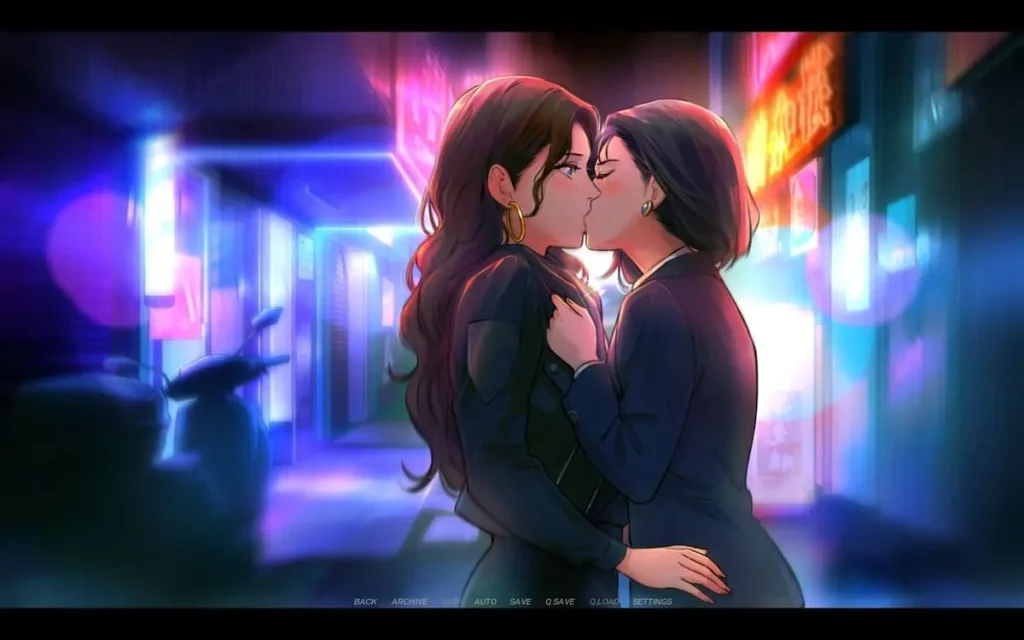
| The “True” Romantic Path 💖 | Consistently choose bold, heartfelt options. Build a high relationship score with Sam. Key moments include being open about your feelings and choosing to embrace new experiences. | Experience the iconic, hopeful “rain kiss” finale. This ending provides closure and a beautiful sense of a shared future, rewarding you for your courage. |
| The “Separate Paths” Ending 🚶♀️🚶♀️ | Make choices dominated by caution, family obligation, or hesitation. Finish with a lower relationship score with Sam. | Michelle and Sam part ways, each following their own separate journey. It’s a poignant, realistic conclusion that highlights the cost of inaction. |
My strongest piece of actionable advice? Play through once without guides, following your heart. Then, replay to consciously make different choices. The game is perfectly paced for a second playthrough, and seeing the alternate scenes—like the enchanting bonus scene at Sam’s apartment if you’ve built a strong connection—is deeply rewarding. It’s worth noting that the core story of A Summer’s End Hong Kong 1986 is so well-written that it stands strong even without seeing every bonus scene. The emotional payoff is in the journey itself, enhanced by subtle storytelling elements like the mysterious, almost prophetic encounter with an old woman that bookends the story.
“It’s rare to find a romance that feels this real. It’s not about dramatic twists, but the quiet, terrifying, and beautiful act of choosing someone and choosing yourself.” — A common sentiment echoed by players in community discussions, reflecting the game’s powerful emotional core.
In the end, A Summer’s End – Hong Kong, 1986 is unforgettable because it marries its parts so seamlessly. The breathtaking 1986 Hong Kong setting provides more than just a stage; it provides a soul. The Michelle and Sam romance gives that soul a heartfelt, relatable story. And the thoughtful two endings visual novel structure makes you an active participant in their world. It’s an experience that stays with you, a warm, neon-drenched memory of a summer that dared to change everything.
A Summer’s End – Hong Kong, 1986 masterfully blends a poignant queer romance with breathtaking 1980s Hong Kong visuals, family dynamics, and meaningful choices that lead to heartfelt endings. From Michelle and Sam’s electric connection to the optional intimate scenes that deepen the emotional payoff, it’s a visual novel that lingers long after the credits. If you haven’t dived in yet, grab it now—activate the adult patch for extra spice if that’s your vibe, replay for both paths, and let the vaporwave beats transport you. What’s your favorite moment? Share in the comments and join the conversation on this timeless tale.