The Theater of Sinners
Play The Theater of Sinners
The Theater of Sinners Screenshots
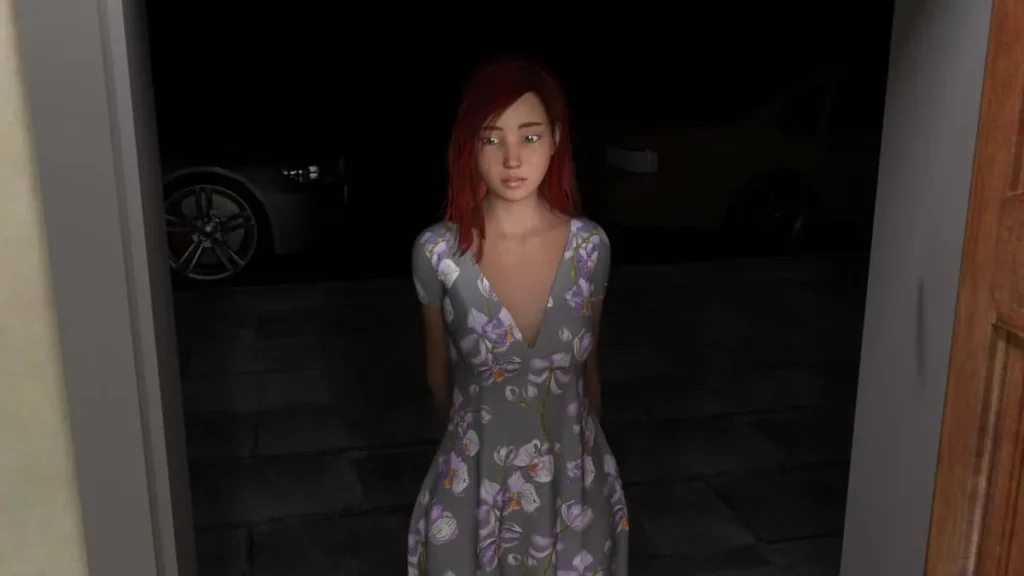
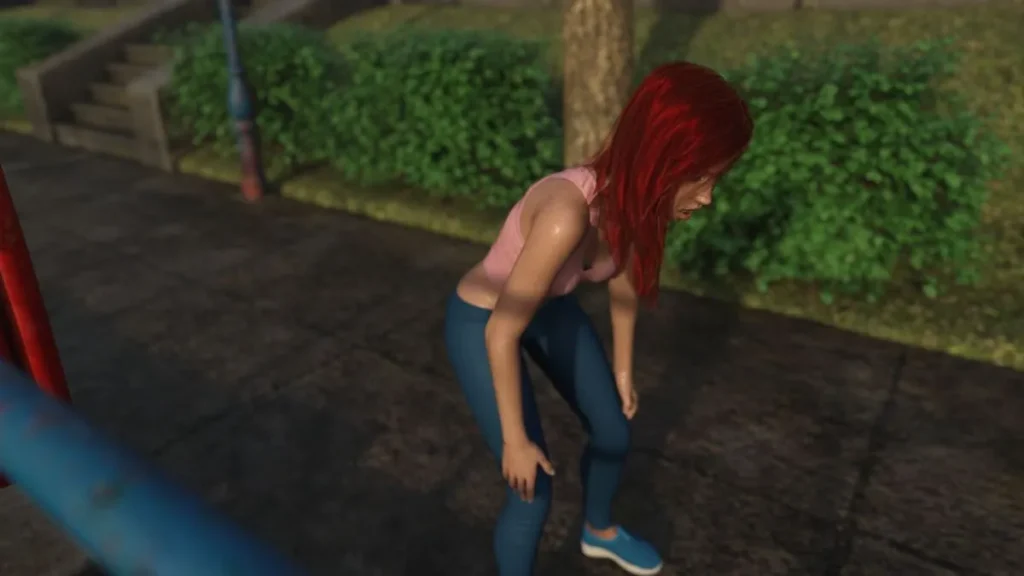
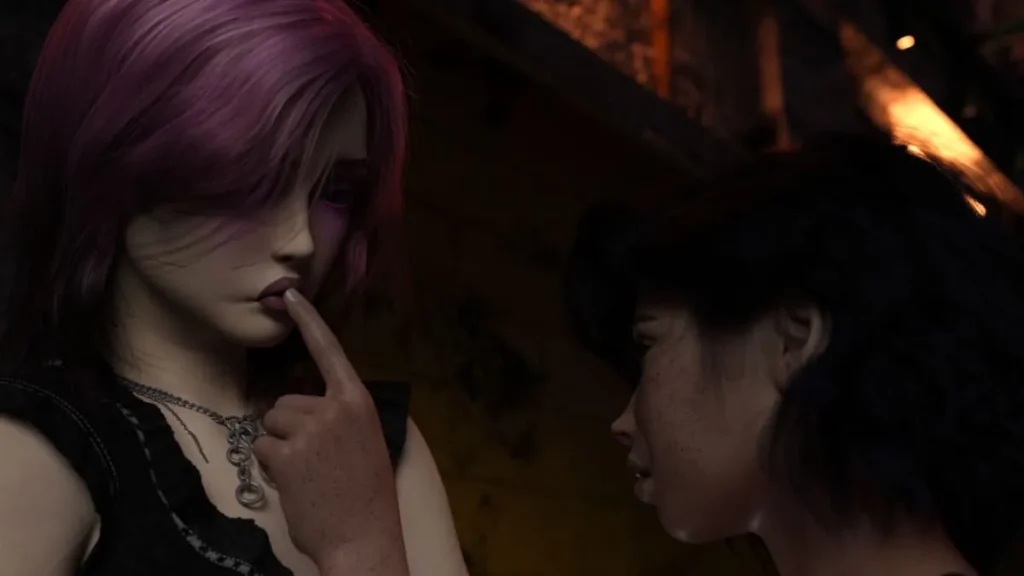
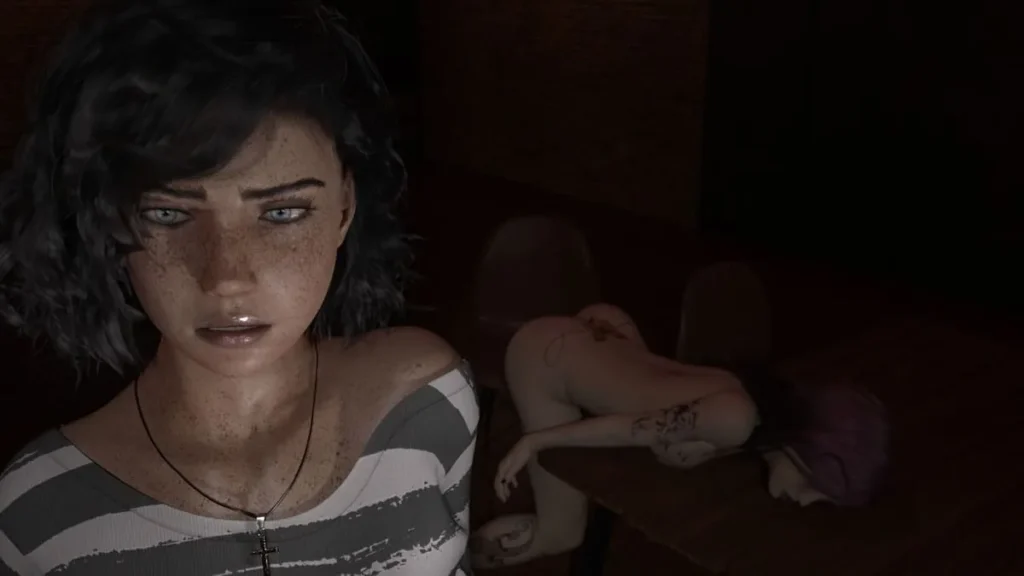


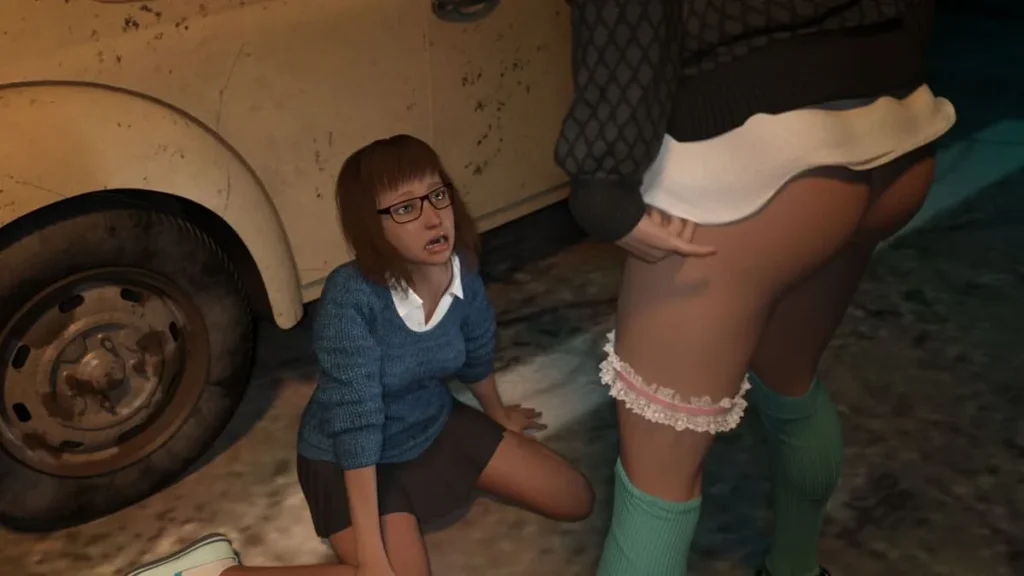
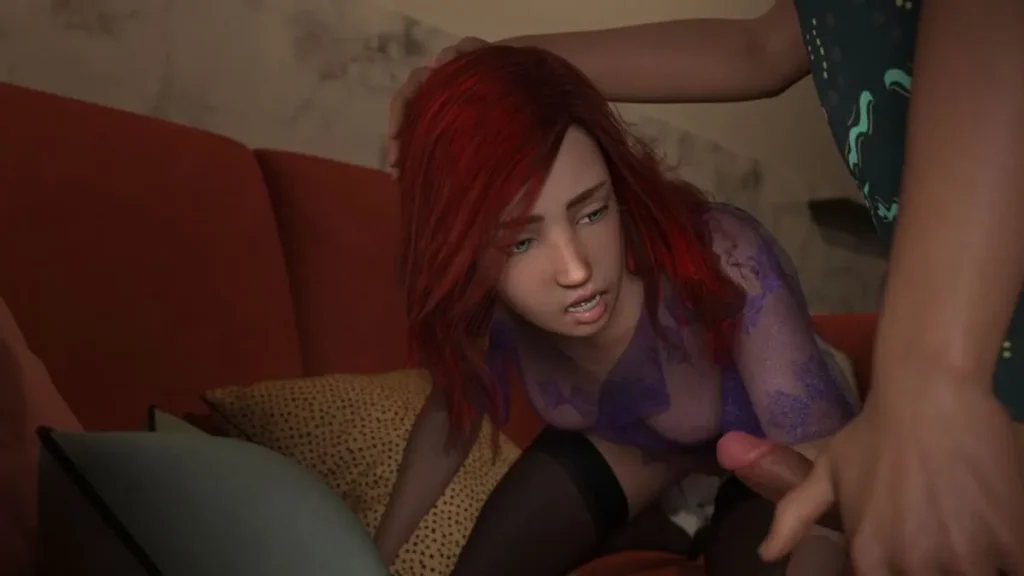
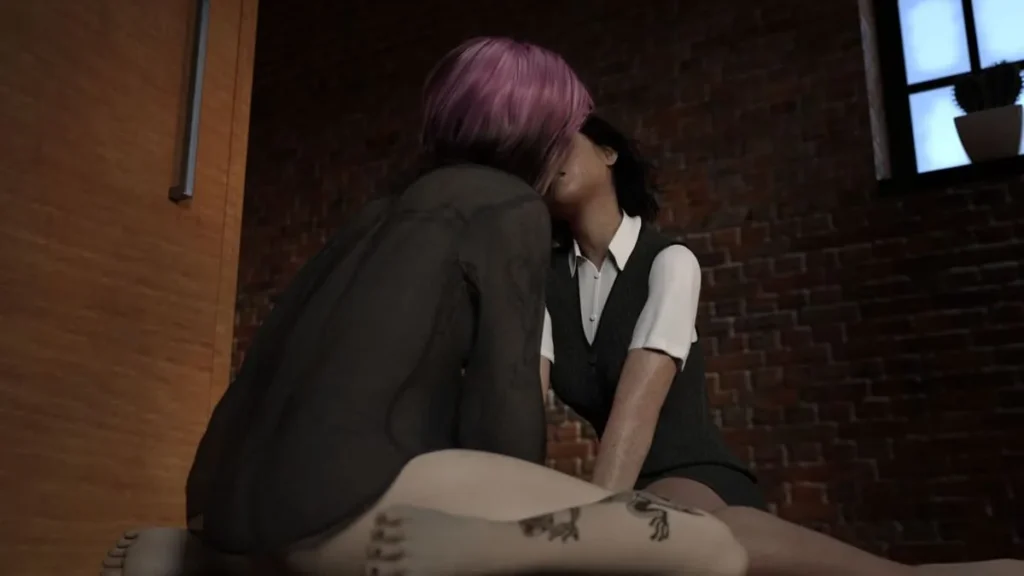

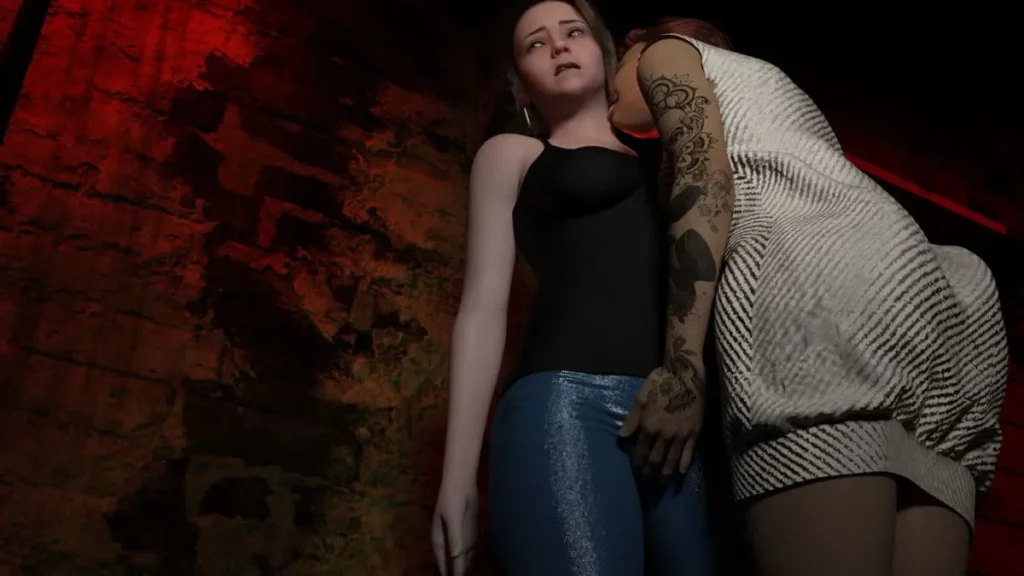

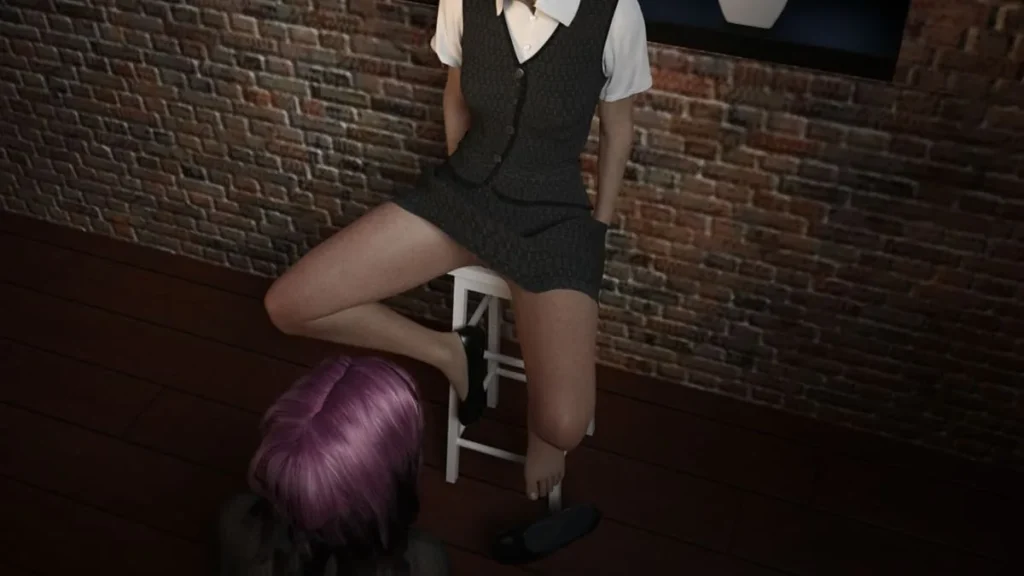
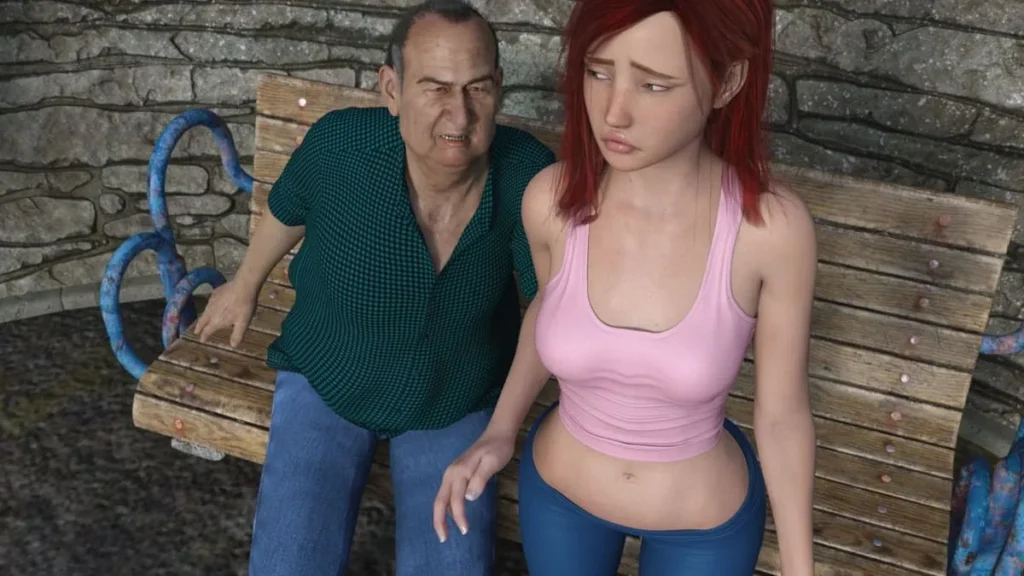
The Theater of Sinners review
Dive into the twisted tales of humiliation, corruption, and choice-driven horror
Imagine stumbling into the Grand Théâtre des Ombres, a shadowy realm where sins play out on stage and your choices script the chaos. The Theater of Sinners pulls you into this gripping visual novel, blending psychological horror with raw, intimate encounters. Developed by JustXThings, this Ren’Py gem explores the lives of protagonists like Paula and Rebecca, caught in webs of abuse, corruption, and moral ambiguity. From my first playthrough, I was hooked by the branching narratives and haunting art that made every decision feel visceral. Whether you’re chasing thrills or deep storytelling, this guide uncovers why The Theater of Sinners stands out in adult gaming. Let’s explore its dark allure together.
What Makes The Theater of Sinners a Must-Play?
I remember the first time I clicked play on The Theater of Sinners. It was late, the room was dark, and within minutes, that familiar glow from my screen felt less like entertainment and more like a window into something uncomfortably real. I wasn’t just playing a game; I was peering into the private, painful corners of someone’s life. That’s the unique power of this Ren’Py visual novel—it trades jump scares for a slow, sinking dread that comes from recognizing fragments of human truth in its darkest stories. If you’re tired of horror that shouts and have been craving a horror that whispers terrible secrets directly to you, then you’ve found your next obsession. Let’s unpack what is The Theater of Sinners and why it stands as a must-play in the realm of psychological horror games.
Unpacking the Core Premise and Setting 🎭
At its heart, The Theater of Sinners asks a simple, chilling question: What happens to the pain we can’t express? The answer lies within the Grand Théâtre des Ombres (The Grand Theater of Shadows), a clandestine establishment where grievances are settled, fantasies are enacted, and personal hells are curated for a private audience. This isn’t a game about slaying monsters; it’s about navigating the monsters of guilt, humiliation, and societal pressure.
The Theater of Sinners visual novel structure lets you explore the interwoven tales of its protagonists. You might step into the shoes of Paula, the daughter of a powerful public figure, who endures relentless bullying from school delinquents—a torment magnified by the pressure to maintain a perfect facade. Or you might inhabit Rebecca’s world, a life shaped by an addict mother and an abusive stepfather, where survival means making impossible choices daily. Their stories, and others, are the “productions” staged at this twisted theater.
The genius of the setting is how it externalizes internal conflict. The theater becomes a metaphor for the stages we all perform on, the roles we’re forced to play, and the hidden audiences that judge our every move. Your journey through The Theater of Sinners is about deciding how these characters will perform their pain. Will they break under the pressure? Will they fight back? Or will they, in a terrifying twist, start to find a strange solace in the narrative of their own suffering? The setting isn’t just a backdrop; it’s the central mechanism of the choice-driven narrative.
How Choice-Driven Mechanics Shape Your Experience ⚖️
If you think visual novels are just about clicking through text, Theater of Sinners gameplay will be a revelation. This is where the term choice-driven narrative is earned, not just used as a tagline. Your decisions aren’t mere dialogue options; they are foundational tools that sculpt the story’s DNA, its outcomes, and even the characters’ core personalities.
The system is elegantly complex. Key decisions raise or lower invisible character stats—metrics like Resolve, Fear, Submission, or Defiance. These stats aren’t just for show; they silently influence which story branches become available later, locking or unlocking scenes and fundamentally altering how other characters perceive and interact with you. It creates a profoundly personal experience where two playthroughs can feel like entirely different stories.
Here’s a breakdown of the core mechanics that make the gameplay so compelling:
- Stat-Based Influence: Your choices feed into hidden attributes that gatekeep future narrative paths. A moment of courage might raise a “Defiance” stat, opening a door to rebellion 10 scenes later.
- True Branching Storylines: This isn’t a story with one good and one bad ending. It’s a labyrinth of endings, ranging from bittersweet escapes to devastating downfalls, with many nuanced stops in between.
- Non-Linear Event Structure: While there’s a narrative thread, many events or “scenes” in the theater can be played in a flexible order. Crucially, the order you choose can change the context and available options in other scenes, creating a dynamic cause-and-effect web.
- Integral Flashbacks: The past isn’t just mentioned; it’s playable. Flashback scenes are woven seamlessly into the narrative, allowing you to experience the traumatic moments that forged the characters, making your present-day choices feel even weightier.
My practical, actionable advice? Save often, and save in new slots. This isn’t cheating; it’s essential for experiencing the full scope of this Theater of Sinners visual novel. The game invites you to explore its branches. See what happens if you submit in one crucial moment, then reload and see the chain reaction that defiance sets off. It’s the only way to truly appreciate the staggering amount of narrative craftsmanship on display in The Theater of Sinners.
To visualize how a single moment can ripple through the story, consider this simplified example:
| Your Decision (Early Game) | Potential Stat Change | Possible Narrative Consequence (Late Game) |
|---|---|---|
| Stand up to a bully directly. | +Defiance, -Social Safety | Unlocks a path for open rebellion, but may attract more severe, targeted retaliation from a powerful figure. |
| Endure the humiliation silently. | +Submission, +Guilt | May lead to an “alliance” with the aggressor under twisted terms, or a deep psychological breaking point. |
| Seek a cunning, indirect way out. | +Cunning, -Trust | Opens a path of manipulation and secret deals, potentially sacrificing another character to save yourself. |
Why the Psychological Horror Hits So Hard 😨
So, why does The Theater of Sinners linger in your mind long after you close the game? It’s because it masters a specific brand of psychological horror game terror. The horror doesn’t come from a ghoul in a closet; it comes from the devastatingly real scenarios, the moral ambiguity of every choice, and the haunting authenticity of the characters’ reactions.
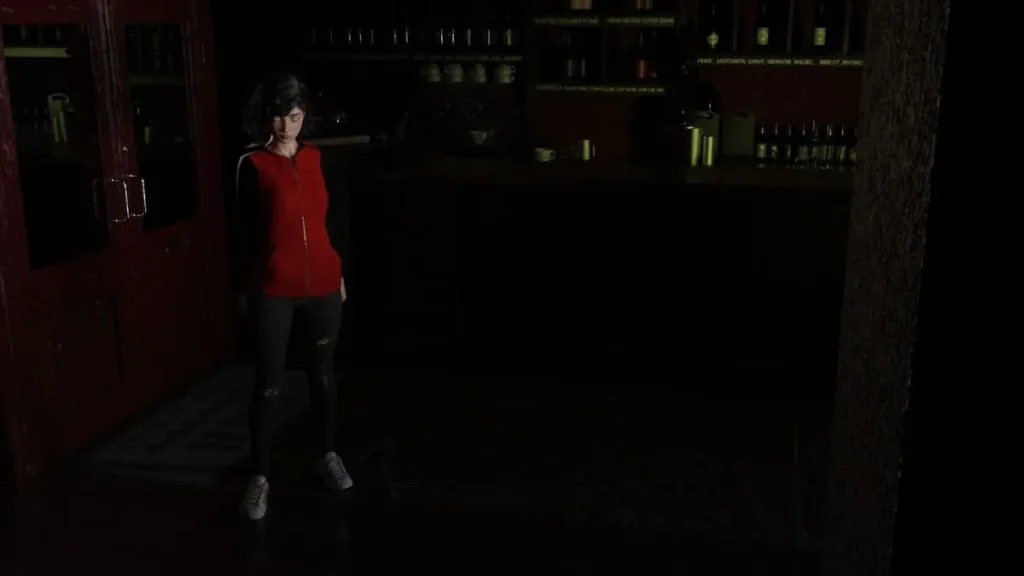
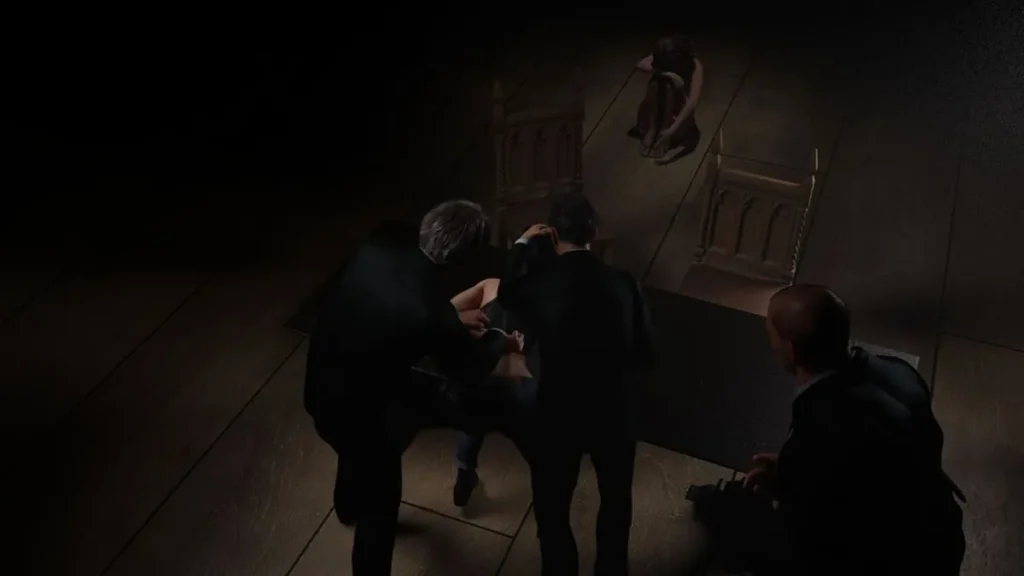
The atmosphere is thick with dread, not shock. It’s the tension in a silent dinner, the menace in a sideways glance, the crushing weight of a social expectation. The sound design and visual aesthetic (even in its current alpha state) work to make you feel isolated, watched, and trapped alongside the protagonist. This is a horror of powerless and complicated emotions.
The developer has stated their intent is to “focus on abuse, humiliation, and tell a dark story with twisted romance,” emphasizing that they “want to explore how characters cope… and the different forms that coping can take.”
This focus creates profound moral ambiguity. The line between “good” and “evil,” between victim and perpetrator, becomes hopelessly blurred. You might make a choice you think is righteous, only to see it cause unintended suffering. You might find a character you despise offering the only sliver of genuine comfort. The game explores painful, cyclical themes of pain begetting pain, guilt shaping identity, and the desperate, sometimes ugly, human need for connection and control.
This is where my personal insight comes in. What sells this horror more than anything else is the realism in the character portraits. We’re not talking about generic anime expressions. We’re talking about the subtle curl of a lip that’s trying not to tremble, the vacant stare of dissociation, the strained fake smile that doesn’t reach the eyes. These faces look drawn from real human experience. When Paula forces a smile through tears, or Rebecca’s face goes blank with trauma, you feel it in your gut. It transforms the experience from playing a game to witnessing something intimately, painfully human.
To get the most out of this experience, play slowly. Savor the dialogues. Read between the lines. A character asking “Are you okay?” can be a moment of care or a veiled threat, depending on the context you’ve built through your choices. The horror is in the subtext.
Currently in version 0.3 ALPHA 1 and available for free, The Theater of Sinners is a raw, ambitious, and unforgettable dive into narrative-driven horror. It’s a testament to how powerful a choice-driven narrative can be when it has the courage to explore dark, complex themes without flinching. It’s more than a game; it’s an emotional and psychological experiment where you hold the controls.
And speaking of controls, the characters you guide are the broken heart of this entire experience. Understanding their depths is key to navigating their nightmares…
The Theater of Sinners masterfully weaves psychological depth, branching choices, and unflinching themes into a visual novel that lingers long after you close it. From Paula and Rebecca’s harrowing journeys to the shadowy theater’s secrets, every decision pulls you deeper into a world of blurred morals and raw humanity. My playthroughs revealed endless replay value, with each path uncovering new layers of corruption and fleeting redemption. If dark narratives and impactful storytelling thrill you, dive in today—download the latest version, experiment with choices, and let the shadows play out. Your story awaits; what sins will you direct?