Summer’s Gone
Play Summer’s Gone
Summer’s Gone Screenshots












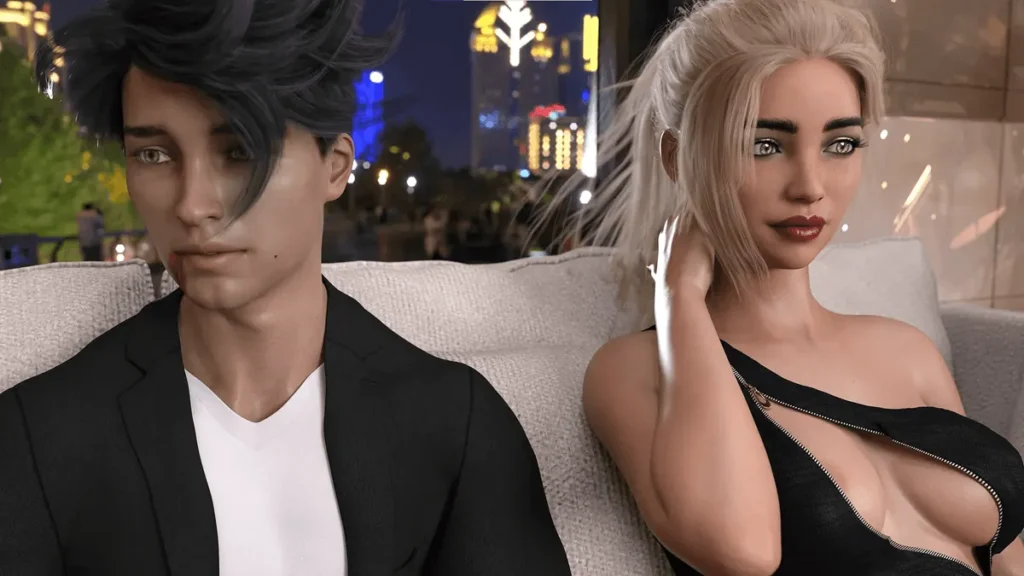
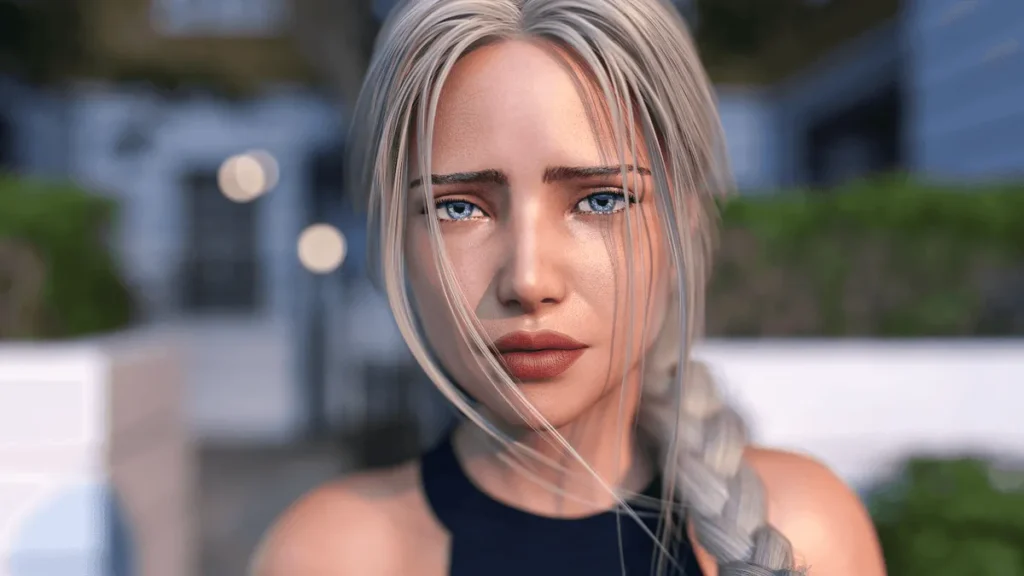

Summer’s Gone review
A comprehensive guide to the acclaimed interactive visual novel exploring mental health, romance, and personal growth
Summer’s Gone stands out as a high-quality interactive visual novel that prioritizes storytelling and character development over conventional adult game tropes. The game follows a young man navigating college life while confronting depression, isolation, and past trauma. With its focus on meaningful relationships, mental health representation, and player choice consequences, Summer’s Gone has garnered significant acclaim within the visual novel community. This guide explores what makes this interactive experience compelling, from its rich narrative to its diverse cast of characters and the themes that resonate with players.
Understanding Summer’s Gone: Core Gameplay and Story Elements
Ever found yourself clicking through a story, only to feel like your choices didn’t really matter? 🎮 You pick a dialogue option, the character smiles or frowns, and the plot chugs along the same predetermined track. It’s a common gripe, but what if a game asked more of you? What if your decisions didn’t just change a scene, but fundamentally reshaped who the main character becomes? This is the profound promise of Summer’s Gone, an interactive visual novel that trades quick thrills for deep, lasting emotional impact. 😌
Created by the developer Ocean, this is more than a game; it’s an ongoing narrative experience. With Summer’s Gone Season 1 complete, players have been granted a powerful, self-contained entry into a world where every choice echoes. Forget passive viewing—this is about active participation in a story of healing. So, let’s dive into what makes this choice-based narrative game so compelling and how its unique mechanics craft a one-of-a-kind journey.
### What Is Summer’s Gone and How Does It Work? 🔧
At its heart, Summer’s Gone is a relationship building visual novel of exceptional quality. But to call it just a “visual novel” feels almost reductive. Imagine a hybrid between a cinematic graphic novel, a personality simulator, and a branching narrative where your fingerprints are on every page. The interactive visual novel gameplay is built on a simple but powerful premise: you guide Nika Cyrus, a young man starting college while carrying the immense weight of a past tragedy. 🎒
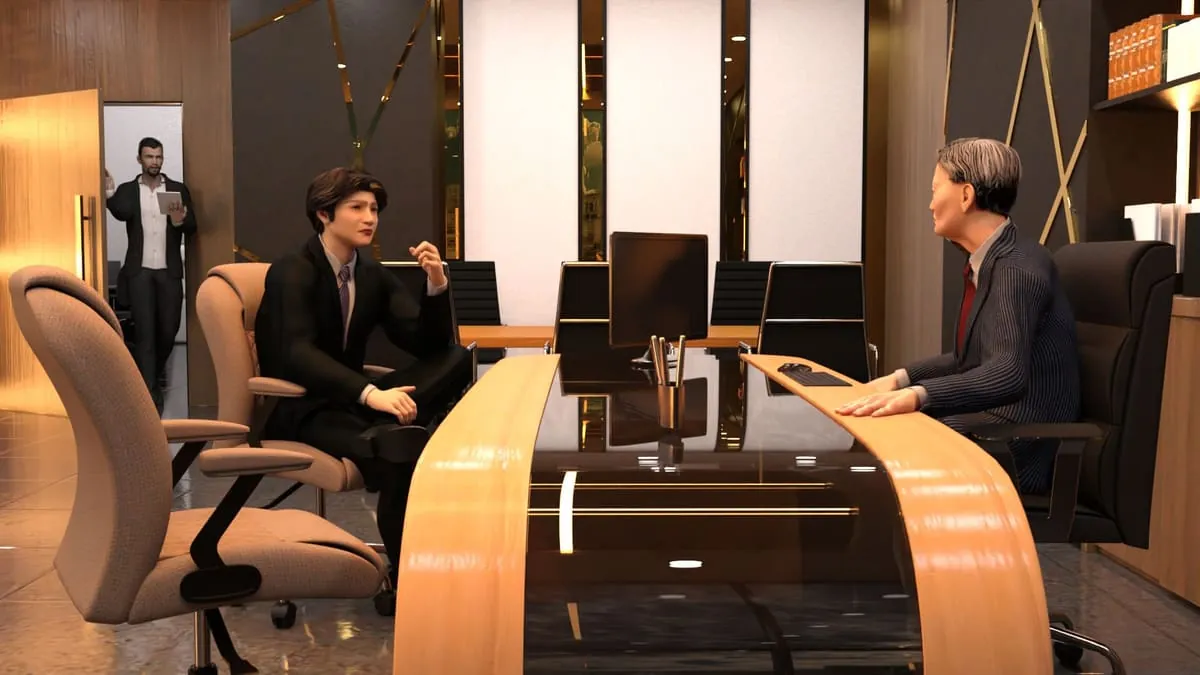
The core Summer’s Gone story premise is your entry point. Nika has lost his childhood love, Summer, under traumatic circumstances, an event that has left him emotionally shattered and socially withdrawn. As he attempts a fresh start at college, the story unfolds through stunning 3D-rendered visuals and a compelling soundtrack. You’ll navigate his daily life, attend classes, and interact with a diverse cast of characters, each harboring their own secrets and complexities.
So, how does it “work” as a game? 🕹️ Unlike traditional games with action or puzzles, the primary mechanics here are observation, conversation, and introspection. You will be presented with dialogue choices, internal monologues, and occasional action prompts. These aren’t just flavor text. Each decision acts as a brick in the path Nika walks. Will you encourage him to be cynical and defensive, shielding his wounded heart? Or will you gently nudge him toward cautious openness, risking pain for the chance of connection? This is where the interactive visual novel gameplay truly shines—it’s a constant dialogue between you and Nika’s psyche.
It’s crucial to understand the game’s format regarding content. Summer’s Gone Season 1 establishes the emotional and narrative foundation with a focus on building tension and connection. It contains partial nudity, strong language, and mature themes, but it deliberately avoids explicit content, opting instead for a slow-burn, tease-filled approach to physical intimacy. This choice prioritizes emotional depth over physical payoff, making every moment of connection feel earned and significant. The announced Summer’s Gone Season 2 will explore different thematic territory with an ‘Adult Only’ rating, but Season 1 stands as a masterclass in building romantic and dramatic tension through words, glances, and nuanced character development. 💞
### The Narrative Foundation: Healing, Hope, and Personal Growth 🌱
If the gameplay is the “how,” the narrative is the undeniable “why.” Summer’s Gone distinguishes itself as a premier visual novel with mental health themes. This isn’t a story that uses trauma as a cheap backstory; it’s the central material from which the entire narrative is woven. Nika’s struggle with depression, loss, insecurity, and shame is portrayed with a raw honesty that resonates deeply. His journey isn’t about a magical cure, but about the messy, non-linear process of learning to live alongside pain and perhaps, one day, beyond it. 🧠
This focus makes the Summer’s Gone story premise a powerful vehicle for exploring personal growth. The college setting isn’t just a backdrop for romance; it’s a crucible for change. Every character Nika meets reflects a different facet of human experience. You might bond with Bella, whose fierce exterior masks her own vulnerabilities, or connect with the gentle and understanding Sonya. Each relationship serves as a mirror, challenging Nika’s worldview and forcing him to confront the walls he’s built around himself. The game brilliantly explores themes of disability, not just physical, but the emotional disabilities we inflict on ourselves after loss.
I remember my first playthrough. I approached it like a typical relationship building visual novel, trying to “win” favor with characters I found appealing. But I quickly realized Summer’s Gone was asking a different question: “Who do you want Nika to be?” My choices weren’t just unlocking romantic paths; they were defining his personality. A decision to be sarcastic in one chapter subtly closed off avenues of earnest conversation later on. Choosing to avoid a difficult topic reinforced his avoidant tendencies. It became less about pursuing a love interest and more about pursuing a state of being for Nika himself. This introspective loop is the game’s greatest strength.
Pro Tip: Don’t rush. The interactive visual novel gameplay in Summer’s Gone rewards patience. Sit with the silent moments, read Nika’s internal thoughts carefully, and make choices that feel true to the character you want to guide toward healing, not just the outcomes you want to see.
The table below highlights how Summer’s Gone Season 1 uses its format to achieve something unique compared to more conventional titles in the genre.
| Feature | Typical Visual Novel / Dating Sim | Summer’s Gone (Season 1 Focus) |
|---|---|---|
| Primary Goal | Romantic or sexual conquest; reaching a “route end.” | Character rehabilitation and personal growth; emotional connection is the reward, not a conquest. |
| Pacing of Intimacy | Often fast-paced, with physical intimacy as a key milestone. | Extreme slow-burn. Focus on emotional & psychological intimacy, building immense narrative tension. |
| Mental Health Portrayal | Often a character trait or plot device for another character to “fix.” | Central, nuanced theme. Explores the daily reality of trauma, depression, and recovery as a core journey. |
| Player Agency | Choices often select a love interest branch or provide short-term flavor. | Choices shape the protagonist’s core personality (Kind/Cynical, Open/Closed) with long-term narrative consequences. |
| Worldbuilding | Often minimal, serving as a setting for character interactions. | Rich and deliberate. The college, its cliques, and side characters feel lived-in and impact the main story. |
### Interactive Choices and Their Lasting Impact on Gameplay ⚖️
This brings us to the engine of the experience: the choice system. In many games, “choice” is an illusion—a brief detour that merges back onto the main highway. Summer’s Gone demolishes that concept. Here, your choices are the narrative. This is a choice-based narrative game where agency is everything. Every dialogue selection, every decision to engage or withdraw, is logged not just on a visible “path,” but in the invisible architecture of Nika’s soul. 🧩
The impact is twofold: it changes how the story progresses and it changes who Nika is as a person. Let’s break down how this interactive visual novel gameplay creates lasting consequences:
- Shaping Personality Traits: The game tracks tendencies like “Kind,” “Cynical,” “Confident,” and “Shy.” These aren’t just labels; they unlock or lock specific dialogue options and reactions later in the story. Being consistently kind to a side character might open up a supportive subplot hours later, while a pattern of cynicism might make a potential romantic partner wary of your intentions.
- Altering Relationship Dynamics: This goes beyond a simple “like/dislike” meter. Your choices build a unique history with each character. An early moment of vulnerability with one character can establish a foundation of trust that influences every interaction thereafter. Conversely, a careless or cruel remark can create a rift that requires significant effort to mend, if it can be mended at all.
- Influencing the Protagonist’s Recovery: The most profound impact is on Nika’s mental state. Choices that encourage isolation and self-loathing can deepen his depression, making future positive choices harder to access. Choices that promote small acts of courage or acceptance can slowly begin to repair his self-image. You are quite literally guiding his therapy through lived experience.
This system makes Summer’s Gone a highly replayable relationship building visual novel. A second playthrough isn’t about skipping text to see a different romance; it’s about meeting a fundamentally different Nika. What happens if he’s confident instead of shy when meeting a key character? How does the story change if he approaches his trauma with anger instead of sorrow? The narrative branches in organic, surprising ways.
The commitment to this design is what makes Summer’s Gone Season 1 feel so authentic as a visual novel with mental health themes. Recovery isn’t about picking the “correct” choices in a list. It’s about the cumulative weight of dozens of small, everyday decisions—the decision to get out of bed, to make eye contact, to risk a joke. The game mirrors this perfectly, making you an active participant in the grind and grace of getting better. Your choices have weight because they carry the heft of real human consequence.
“I went into Summer’s Gone expecting one thing and found something completely different. I wasn’t just picking a girl to date; I was trying to help a broken person remember how to live. The fact that my choices actually changed his personality—making him more closed off or more hopeful—hit me harder than any explicit scene ever could. It’s the first game where I felt truly responsible for someone’s emotional well-being.”
This player testimonial captures the essence of the experience. Summer’s Gone redefines what interactive visual novel gameplay can be. It’s not a power fantasy; it’s an empathy engine. By the end of Summer’s Gone Season 1, you won’t just remember the plot twists or the romantic moments. You’ll remember the person Nika became—and the role you played in his painful, beautiful, and ongoing journey toward the light. ✨
Summer’s Gone represents a significant achievement in interactive visual novel design, proving that adult games can deliver meaningful storytelling and emotional depth. The game’s commitment to character development, mental health representation, and player agency creates an experience that resonates far beyond typical genre conventions. From Nika Cyrus’s personal journey of healing to the richly developed cast of characters, every element serves the narrative of growth and connection. Whether you’re drawn to the romance elements, the exploration of mental health themes, or simply the quality of the writing and character work, Summer’s Gone offers something substantive. The game’s slow-burn approach to relationships and intimacy, combined with its focus on meaningful choices and consequences, sets it apart as a thoughtfully crafted experience. For players seeking a visual novel that challenges expectations and delivers genuine emotional engagement, Summer’s Gone is absolutely worth experiencing.