
Sassy Cybergirl Screenshots




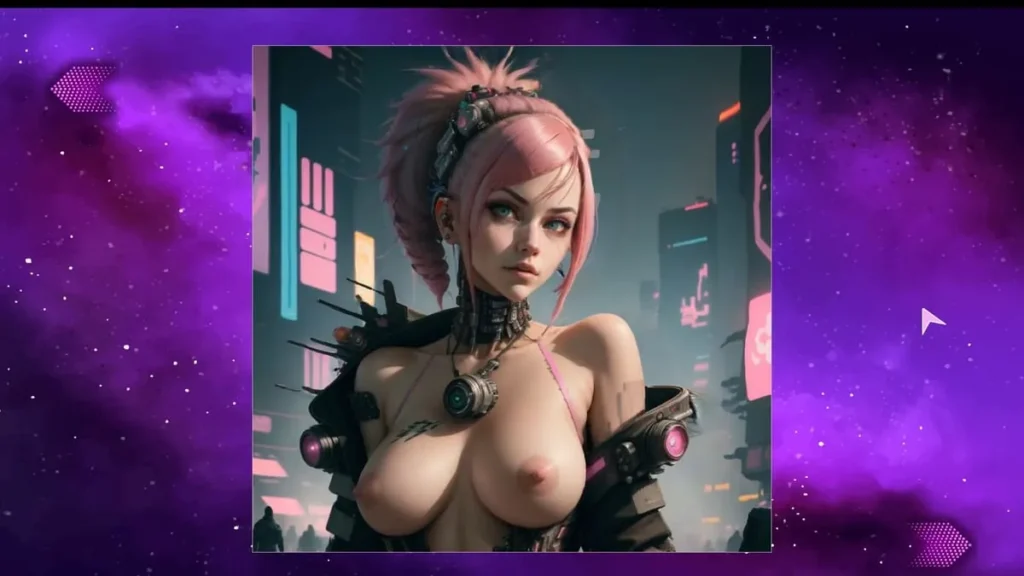
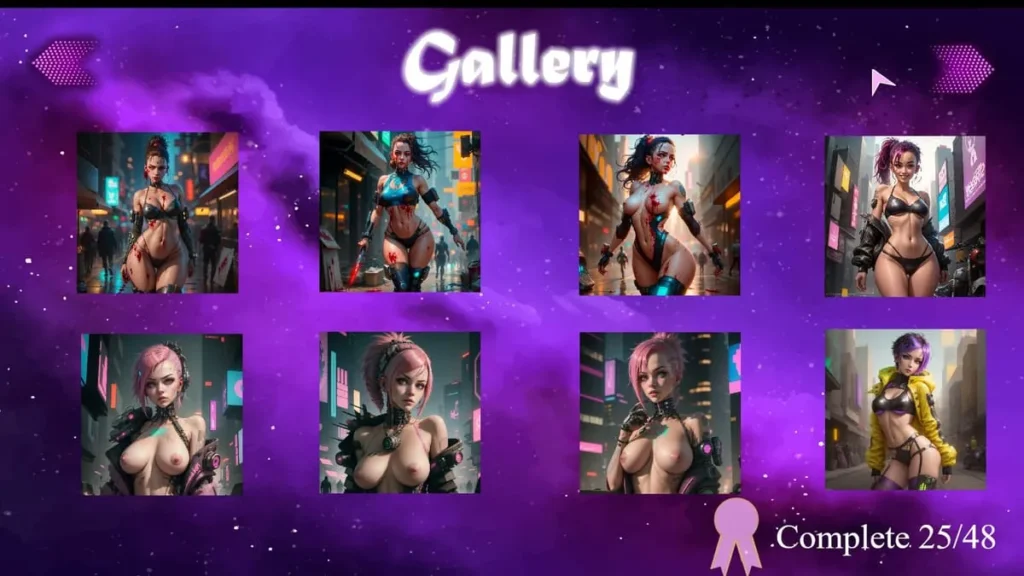
Sassy Cybergirl review
Master Gameplay, Unlocks, and Tips for Neon-Lit Adventures
Dive into the neon-drenched streets of Neo-Tokyo with Sassy Cybergirl, the cyberpunk puzzle-adventure that’s captivating players with its blend of brain-teasing challenges, narrative choices, and progressive unlocks. I remember my first night in the game—rain-slicked alleys, holographic puzzles flickering to life, and that sassy protagonist drawing me into her world of hacking, alliances, and intimate rewards. This isn’t just another title; it’s a strategic journey where your wits unlock steamy stories and cybernetic thrills. Whether you’re crafting your cybergirl, mastering mini-games, or chasing secret endings, this guide shares my hands-on insights to help you dominate every district. Get ready to level up your playstyle and uncover what makes Sassy Cybergirl a standout.
What Makes Sassy Cybergirl Gameplay So Addictive?
My first real encounter with the Sassy Cybergirl gameplay loop wasn’t in some fancy tutorial. It was in a grimy back-alley off the main Shinjuku strip, digital rain dripping down my virtual collar. My goal was simple, yet utterly thrilling: get into the exclusive “Neon Lotus” club to snag a data-chip from a corrupt exec. The bouncer was a wall of synth-muscle, the door required a keycard I didn’t have, and the security camera’s sweep felt like a searchlight. I was stuck. That’s when it clicked—this wasn’t just about clicking on clues. This was a cyberpunk puzzle loop in its purest form: a goal, a neon-lit obstacle course, and my wits as the only tool. 🕵️♀️
That moment of clarity, of seeing the environment itself as a puzzle box, is the secret sauce. Every mission in Sassy Cybergirl starts with a concrete objective. Infiltrate the club. Sabotage the broadcast. Decrypt the corporate blackmail files. Then, you’re thrown into a meticulously crafted slice of Neo-Tokyo to figure out the “how.” You explore, you observe, and you interact. That camera? Maybe you hack a nearby terminal to create a blind spot in its sweep (a timing-based mini-game). That keycard? Perhaps you need to socially engineer the bartender by solving a dialogue puzzle, choosing the right sequence of compliments and threats to get him to slip you a keycode.
This exploration-puzzle-reward cycle is relentlessly engaging. Each solved mini-game—whether it’s grid-rerouting power flows, node-matching encryption protocols, or the slick hacking interfaces—feels like cracking a safe. And the payout is twofold: you move the story forward in a truly earned way, and you’re showered with the game’s two core currencies: Social Cachet and Cyber-Flux. This loop of set a goal, explore the world, solve the puzzles, reap the rewards, and see the narrative evolve is what had me playing “just one more job” until 3 AM. It’s a masterclass in integrated game design where every system feeds into another.
How the Core Puzzle Loop Works in Neo-Tokyo
Let’s break down that addictive cyberpunk puzzle loop I fell in love with in that alley. It’s a five-step dance that perfectly captures the cyberpunk fantasy of being a savvy, street-smart operator.
-
The Goal: Your fixer, Mia, buzzes your comms with a job. “Get the prototype from Yamazaki’s penthouse.” Simple direction, zero instructions. The game never holds your hand with a glowing objective marker. You have to think like a Sassy Cybergirl.
-
The Exploration: You head to the opulent Shibuya towers. The lobby has a retinal scanner. The service elevator needs a maintenance code. A guarded VIP elevator leads straight up. This is where the Neo-Tokyo puzzles begin—they’re environmental. You talk to the disgruntled doorman, peek at a janitor’s discarded tablet, and notice a ventilation shaft access behind a potted plant. The world is your clue board.
-
The Puzzle Mini-Games: This is the tactile, satisfying core. To bypass that retinal scanner, you might need to solve a node-matching puzzle to assemble a fake ID from scattered data fragments. The maintenance code could be gleaned from a hacking mini-game on the tablet, where you slot correct code fragments into a shifting sequence. Each puzzle type has its own logic and feel, keeping your brain engaged in different ways. They’re short, sharp, and immensely gratifying to solve.
-
The Reward: Crack the puzzles, and the path opens. You slip into the vent. But crucially, you also get paid. Social Cachet (your rep) ticks upward, making new dialogue options and alliances possible later. Cyber-Flux (cold, hard digital cash) hits your account. You also often find narrative logs or items that deepen the story.
-
The Narrative Payoff: You reach the penthouse, grab the prototype, and get a gorgeous cutscene or dialogue exchange that feels earned. Mia praises your ingenuity. You’ve changed the world, however slightly, through sheer brainpower. Then, the next job beckons, and the loop begins anew, each cycle layering more complexity and narrative depth.
Managing Social Cachet and Cyber-Flux Resources
This is where Sassy Cybergirl gameplay gets its strategic teeth. 🧠 You’re not just a puzzle-solving machine; you’re a businesswoman navigating the neon economy. Social Cachet management and Cyber-Flux resources are the yin and yang of your progression, and balancing them is a constant, delicious tension.
Social Cachet is your reputation. It’s intangible but invaluable. Earn it by completing jobs cleanly, making clever choices in dialogue puzzles, or helping out citizens in the hubs. A high Cachet score opens doors—literally. That mercenary gang might let you pass because they’ve heard of you. A locked info-broker’s archive becomes accessible because you’re “good people.” In my playthrough, I prioritized Cachet early on, which allowed me to bypass an entire brutal security section in Act 2 simply because a guard recognized my handle and looked the other way. It makes you feel like a legend in the making.
Cyber-Flux is your immediate power. You spend it on gear, software upgrades, bribes, and unlocking certain physical doors or terminals. The trade-offs are constant and meaningful. Do I spend 500 Flux on this slick decryption tool that will make future hacking easier, or do I use that same Flux to bribe a club manager right now for vital information? In one tense mission, I was low on Flux and faced a fortified door. I could either spend almost all my Flux to buy the keycode from a shady dealer, or I could backtrack and solve a much more complex, multi-layered environmental puzzle to find another way in. I chose the puzzle, saved my Flux, and felt like a genius.
Here are five hard-earned tips for managing these resources:
- Cachet for Allies, Flux for Tools: My golden rule. Use high Social Cachet to unlock narrative paths and alliances. Spend your Cyber-Flux resources on permanent upgrades and essential, time-saving bribes. An ally you gain through reputation will help you forever; a door you bribe open is just one door.
- Side Hustles Are Vital: Those little optional Neo-Tokyo puzzles for random citizens? Do them. They often pay out in small but consistent Flux and Cachet, building your reserves for the big story missions.
- Don’t Buy Every Door: If a door or terminal looks like it can be bypassed with a puzzle, try it first. Spending Flux should be a conscious choice for efficiency or when you’re truly stuck, not a default. The game usually provides a “brain over bucks” alternative.
- Specialize Your Upgrades: Look at the puzzle loop you enjoy most. Love the grid-rerouting puzzles? Invest Flux in upgrades that give you more time or additional connection pieces for them. This makes your preferred gameplay smoother and saves resources on puzzles you’re already good at.
- Some Cachet Choices Are Irreversible: In dialogue puzzles, sometimes boosting your Cachet with one faction (like the Corps) will lower it with another (like the Anarchists). Choose based on the narrative path you want, not just the immediate reward. This makes your playthrough uniquely yours.
Difficulty Curve: From Beginner Puzzles to Layered Challenges
The Sassy Cybergirl difficulty curve is a thing of beauty. It never holds your hand, but it also rarely throws you into the deep end without teaching you to doggy-paddle first. Over my 40+ hours, I felt my own skills evolving in lockstep with the game’s challenges.
Act 1 is your onboarding. The Neo-Tokyo puzzles are isolated. You’ll do a hacking game here, a social engineering chat there. The goals are straightforward, and the solutions are often visible in the environment after a bit of looking. It teaches you the language of the world. The rewards are modest, giving you a small pool of Flux and Cachet to start understanding their value.
Act 2 is where the symphony begins. The game starts combining mechanics. You might need to solve a grid-rerouting puzzle while a timer counts down from a separate hacking interface you activated. Or you may need to use information gathered from a dialogue puzzle to know the correct sequence for a node-matching lock. This is where the cyberpunk puzzle loop becomes truly demanding and satisfying. The resource rewards get heftier, forcing you to make tougher choices about how to spend them.
Act 3 is the masterclass. Here, you face layered puzzles that require everything you’ve learned. A single objective might require: 1) Social engineering a password out of a character, 2) Using that password in a hacking mini-game to disable a drone, 3) Rerouting power grids while the drone is down to open a path, and 4) Finally, solving a complex, multi-stage decryption puzzle on the target terminal—all while managing patrolling guards. It’s exhausting in the best way, making you feel like a hyper-competent netrunner when you finally succeed.
| Act | Puzzle Style | Key Rewards | Progression Tip |
|---|---|---|---|
| Act 1 | Isolated tutorials. Basic hacking, simple grid-rerouting, introductory social cues. | Small Flux injections, initial Cachet with core factions. | Experiment with all puzzle types. Don’t rush. This is your time to learn the rules of the world. |
| Act 2 | Combined mechanics. Timed puzzles, multi-step environmental challenges, deeper dialogue trees. | Larger Flux payouts, Cachet choices that start locking/exclusive narrative branches. | Start specializing your Cyber-Flux spending on upgrades for your favorite puzzle types. Begin forming long-term alliance strategies with your Cachet. |
| Act 3 | Fully integrated, layered challenges. Marathon puzzles combining 3-4 mechanics with narrative stakes. | Major story resolutions, high-tier upgrades, faction-specific endings based on Cachet. | Resource management is key. Have a stockpile of Flux for emergency bypasses. Your early Cachet investments will now open (or close) critical paths. |
So, why does all this feel so rewarding? Because Sassy Cybergirl gameplay respects your intelligence. It presents a consistent, cool world with clear rules, and then sets you free inside it. The progression from puzzler to puppet-master feels organic. You’re not just unlocking new areas with a key; you’re earning them with your growing reputation and sharpening skills.
If you’re just starting your journey and want to optimize those early runs, here’s my actionable advice: Embrace the side content in Act 1. Those little jobs build the Flux and Cachet foundation you’ll desperately need later. Talk to everyone, and when faced with a spending choice, ask yourself: “Is this making me permanently smarter/stronger (an upgrade), or is it just removing a temporary obstacle (a bribe)?” Prioritize the former. Most importantly, lean into the fantasy. You’re a Sassy Cybergirl in a neon-drenched world, and every puzzle solved is a step toward becoming its legend. Now get out there and crack some codes. 🌃✨
From neon-lit puzzles to trust-building alliances that unlock deeper stories, Sassy Cybergirl delivers a cyberpunk thrill like no other—blending strategy, customization, and immersive narratives that kept me hooked for dozens of hours. My favorite moment? Cracking a tier-3 puzzle for that secret ending, feeling the haptic buzz as the cybergirl’s world opened up. You’ve got the tools now: craft your archetype, master those mini-games, and chase every branch. Jump in, experiment with wardrobes and choices, and share your wildest runs in the comments—what’s your go-to strategy for maxing Cyber-Flux? Your Neo-Tokyo adventure starts now.