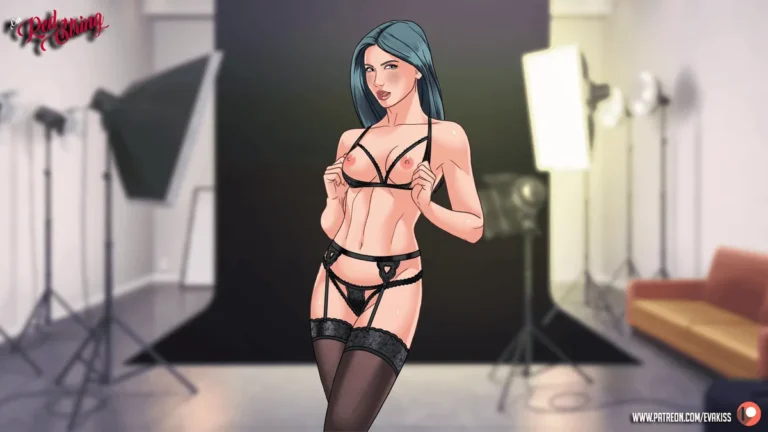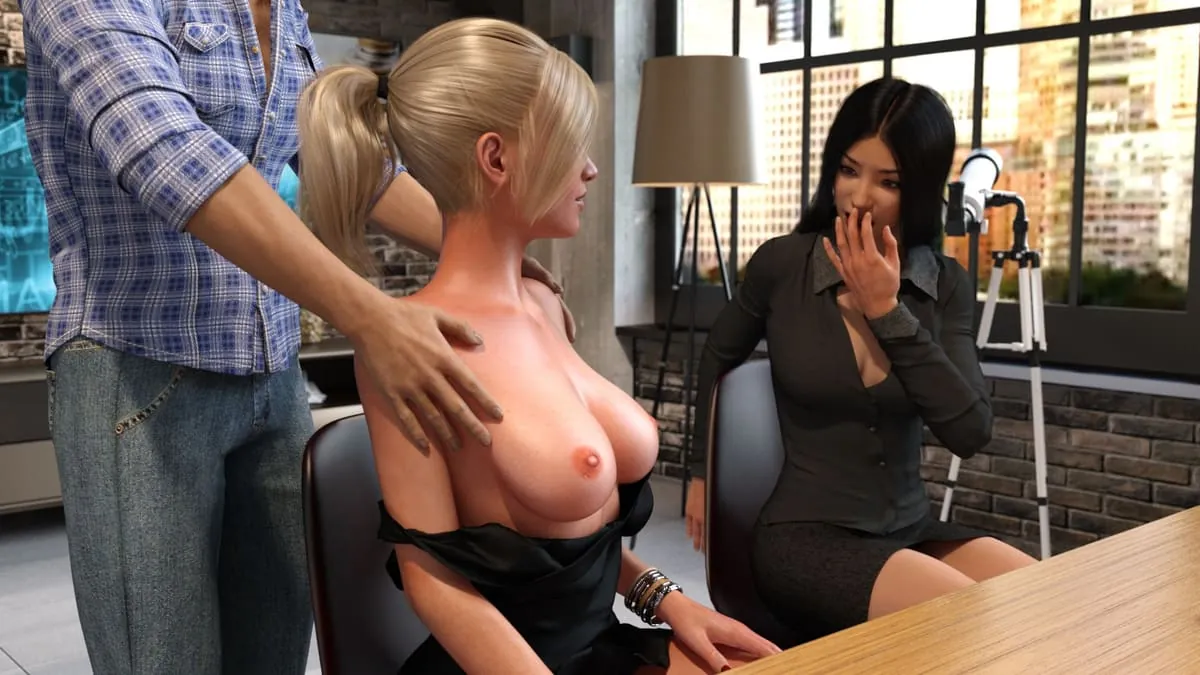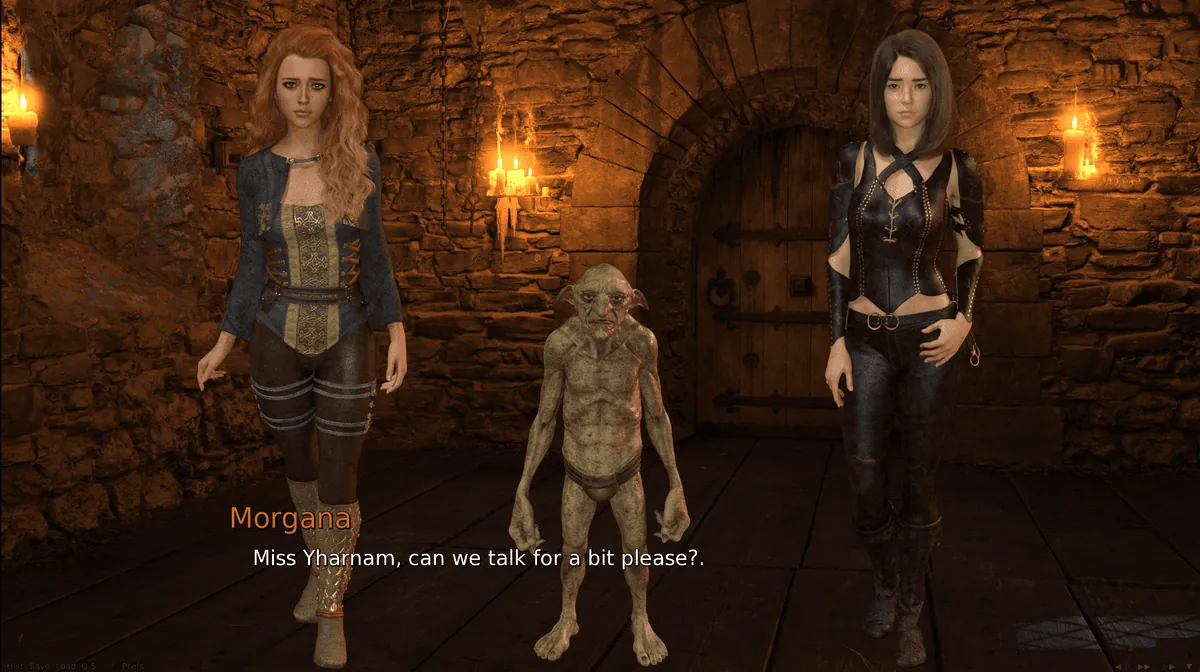
Our Red String
Play Our Red String
Our Red String Screenshots







Our Red String review
Master every choice, relationship path, and ending in this dual-protagonist visual novel
Our Red String stands out as a non-linear visual novel that puts player choice at the center of the experience. This dual-protagonist game features branching narratives where every decision impacts relationships, unlocks unique scenes, and determines which of multiple endings you’ll experience. Whether you’re exploring the complex relationship dynamics between characters or trying to unlock all gallery content, understanding the game’s stat system, agenda points, and choice mechanics is essential. This comprehensive guide breaks down everything you need to know to navigate the game’s intricate decision trees and maximize your playthrough experience.
Understanding Our Red String’s Core Mechanics and Systems
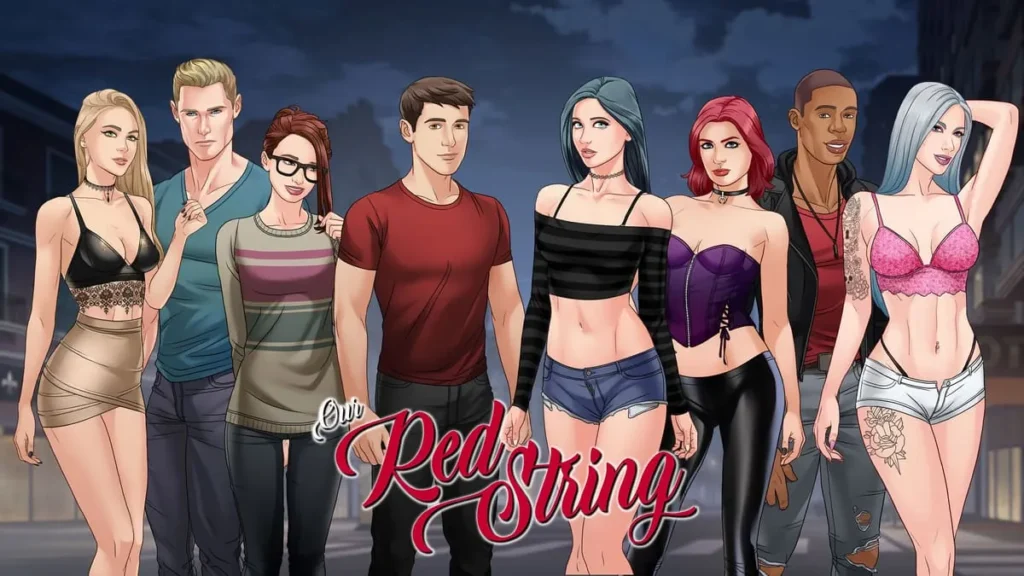
Ever feel like you’re watching a movie from two completely different angles at once? That’s the heart-pounding, brain-tickling magic of Our Red String mechanics. 👫 Unlike most visual novels where you guide a single soul, here you’re the master puppeteer for two: Ian, the struggling musician with a heart of gold, and Lena, the ambitious intern navigating a cutthroat world. Their lives are separate yet intrinsically linked, and every choice you make for one can ripple into the other’s world in ways you’d never expect. To truly master every ending and unlock the game’s deepest secrets, you need to understand the engine under the hood. Think of this chapter as your blueprint to the game’s brilliant, interlocking systems.
How the Dual-Protagonist System Works
Jumping between Ian and Lena isn’t just a cute gimmick—it’s the core narrative engine of Our Red String. This dual-protagonist gameplay structure means you’re constantly seeing the story through two pairs of eyes. One chapter, you’re in Ian’s shoes, dealing with band drama and financial stress. The next, you’re Lena, fending off office politics or navigating complex personal relationships. 🎸💼
The genius of this system is in the perspective shifts. A seemingly innocent comment Lena makes at a party might later be a topic of conversation for Ian with his friends, but with a totally different context. You might make a choice for Ian that closes a door for him, only to discover that same action has opened a new, unexpected path for Lena several chapters later. The game is a intricate web of cause and effect that spans both characters’ timelines.
Pro Tip: Always consider the other protagonist. Before making a major decision, ask yourself: “How could this come back to help or haunt Ian/Lena?” Their worlds are more connected than they realize.
This dual-protagonist gameplay also creates delicious dramatic irony. You, the player, often know more than either Ian or Lena does individually. You might see both sides of a misunderstanding, making your subsequent choices all the more poignant (or frustrating!). To control the narrative fully, you must learn to balance their development, sometimes even making a “worse” short-term choice for one to enable a better long-term outcome for both. It’s a constant, engaging juggling act that makes Our Red String utterly unique.
Mastering Stat Points and Character Development
At the heart of character development in Our Red String lies a deceptively simple stat points system. Ian and Lena aren’t just defined by your dialogue picks; they grow and change based on six core attributes. These stats silently shape who they are, what they’re capable of, and which doors in the story will open for them. 📊
Here’s the crucial rule: Three stat points are needed to increase one stat level. You earn these points through your choices—both big and small. Choosing to practice guitar diligently gives Ian a point in Talent. Lena standing up for herself at work might net a point in Confidence. They accumulate in the background, and once you hit three in a category, that stat level ticks up permanently.
Why is this so important? Because entire story branches, special scenes, and even endings are locked behind minimum stat requirements. You can’t pursue a music career path for Ian if his Talent and Charisma are too low. Lena can’t execute a bold power move at her company without sufficient Confidence and Cunning. The game doesn’t just ask “What do you say?” but “Who have you become?”
This is where strategic character development in Our Red String comes into play. You can’t max out everything in one playthrough. You must decide: Do I want a confident, cunning Lena who climbs the corporate ladder ruthlessly? Or a kinder, more romantic Lena focused on personal connections? The same goes for Ian—is he a focused artist or a charming socialite? Your allocation of these precious points crafts their identity.
To visualize how these stats work and what influences them, let’s break it down:
| Stat | Primary Influence | Gameplay & Story Effects |
|---|---|---|
| Charisma | Social choices, flirting, performing, persuasive dialogue. | Unlocks romantic options, improves band popularity, opens networking opportunities. |
| Confidence | Assertive actions, standing up for oneself/others, taking risks. | Needed to confront characters, pursue ambitious career paths, resist manipulation. |
| Talent (Ian) / Skill (Lena) | Practicing music (Ian), working diligently at tasks (Lena), studying. | Critical for career success. Affects performance quality, work evaluations, and special opportunities. |
| Cunning | Manipulative dialogue, scheming, discovering secrets, opportunistic choices. | Allows for underhanded tactics, unlocks blackmail or leverage paths, reveals hidden info. |
| Kindness | Helping others, selfless acts, empathetic dialogue, forgiveness. | Strengthens genuine friendships, unlocks supportive scenes, can lead to more wholesome endings. |
| Passion | Romantic/ intimate choices, pursuing desires, creative expression. | Deepens romantic relationships, unlocks intimate scenes, fuels artistic drive for Ian. |
So, how to increase stat levels? Be consistent and character-driven. If you want a high-Charisma Ian, consistently choose the charming, performative option. Every point adds up. And remember, some major key choices can award multiple points at once, so pay attention to those pivotal moments!
Navigating Relationship Tracking with Agenda Points
If stats define Ian and Lena internally, the relationship tracking agenda points system maps their entire social universe. 🗺️ This isn’t just a simple “like/dislike” bar for a love interest. Our Red String tracks your standing with 12 different characters, from love interests like Erik or Holly to friends, rivals, and family members like Ian’s dad.
Think of each character having their own hidden “agenda” or relationship value, which shifts with every interaction. Choosing to support a friend boosts your points with them. Insulting a rival drains them. These values are the silent gatekeepers of the story. A specific romantic scene with a character might require your relationship score with them to be above 70. Conversely, triggering a confrontation or betrayal might require your score to have fallen below a certain threshold.
The game’s brilliant use of game variables and flags is what makes this tracking possible. Behind the scenes, hundreds of tiny code flags are set based on your actions. These aren’t just numbers; they’re specific, named conditions like [v2RobertKiss] (did Lena kiss Robert in Chapter 2?), [LenaRobert] (what is her overall relationship status with Robert?), or [IanLust] (tracking Ian’s physical relationships). These game variables and flags create a unique fingerprint for your playthrough, determining which scenes (called Labels) and major story sequences (called Events) you will see.
- Labels: Small, often optional scenes that add color and depth. Getting a coffee with a co-worker or a quick chat with a bandmate. Triggering these usually depends on having a high enough relationship score or a specific stat level at the right moment.
- Events: Unique, major story sequences that can significantly alter the plot. Lena’s special project at work or Ian’s big gig opportunity. These are gated by complex combinations of stats, relationship scores, and specific prior flags.
Example: To unlock a major, intimate Event with a character like Holly, you might need: 1) A Passion stat of 4+, 2) A relationship score with Holly above 75, and 3) The specific flag [HollyBarTalk] set to TRUE from a conversation three chapters earlier. Miss one piece, and that path remains closed.
This intricate web is why understanding the relationship tracking agenda points is non-negotiable for completionists. You’re not just making friends; you’re manually wiring the entire narrative circuit board.
Q: Can I max out relationship points with everyone?
A: It’s incredibly difficult in one run. Characters often have conflicting agendas—helping one might anger another. Prioritize your desired path.
Q: Do negative points matter?
A: Absolutely! Some story branches, especially confrontational or tragic ones, specifically require low or negative relationship scores.
Q: How do I know my current score with someone?
A: The game doesn’t show a number, but pay close attention to dialogue tone, character portraits, and the options available to you. Friendly, open dialogue options indicate a high score.
Q: Can I recover from a bad relationship?
A> Often, yes, but it takes consistent effort and the right choices. Some major betrayals, however, can permanently lock a relationship path.
By now, you should see the magnificent machinery at work. The dual-protagonist gameplay gives you two canvases. The stat points system and character development in Our Red String provide the paints of personality. The relationship tracking agenda points and game variables and flags form the intricate sketch underneath it all. Mastering how these systems interlock—knowing that boosting Ian’s Charisma tonight might unlock a tomorrow where Lena can use a connection he made—is the key to moving from a passive reader to the true author of Ian and Lena’s tangled, beautiful, and red-string-linked destinies. 🧶 Now, with this blueprint in hand, you’re ready to start your next playthrough not just playing the game, but truly designing it.
Our Red String delivers a rich, choice-driven experience where understanding the game’s mechanics directly impacts your ability to explore all available content. By mastering the stat system, relationship tracking, and decision trees, you’ll unlock the full potential of this dual-protagonist narrative. Whether you’re pursuing specific romance paths, collecting all gallery scenes, or discovering every possible ending, the strategies outlined in this guide provide the foundation for a complete playthrough. Take your time exploring different choices, experiment with various relationship combinations, and don’t hesitate to reference walkthroughs when pursuing specific story outcomes. The beauty of Our Red String lies in its branching design—each playthrough can feel distinctly different based on your decisions, making it worth experiencing multiple times to uncover all the narrative possibilities the game has to offer.