How to Fix the Future
Play How to Fix the Future
How to Fix the Future Screenshots


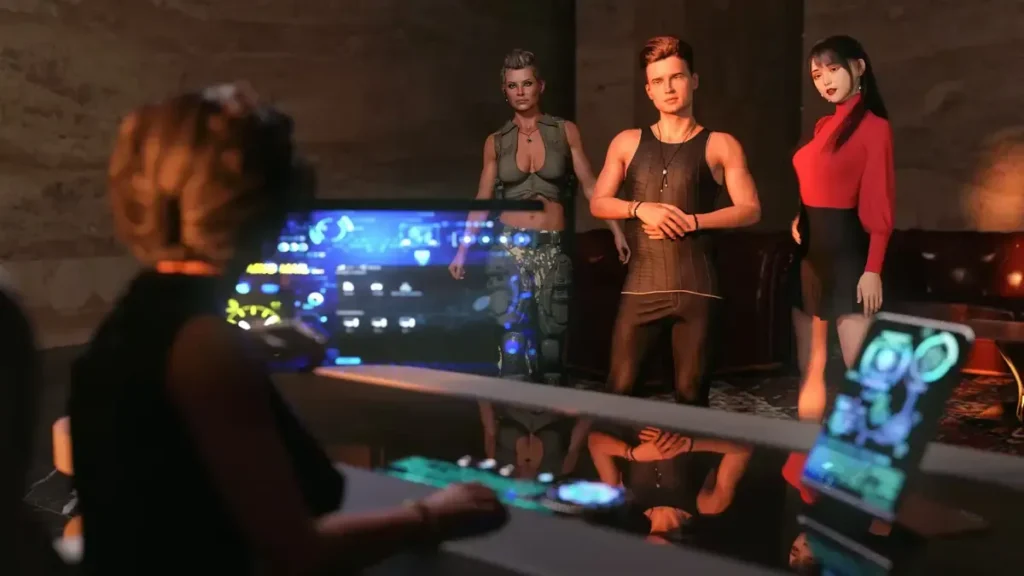
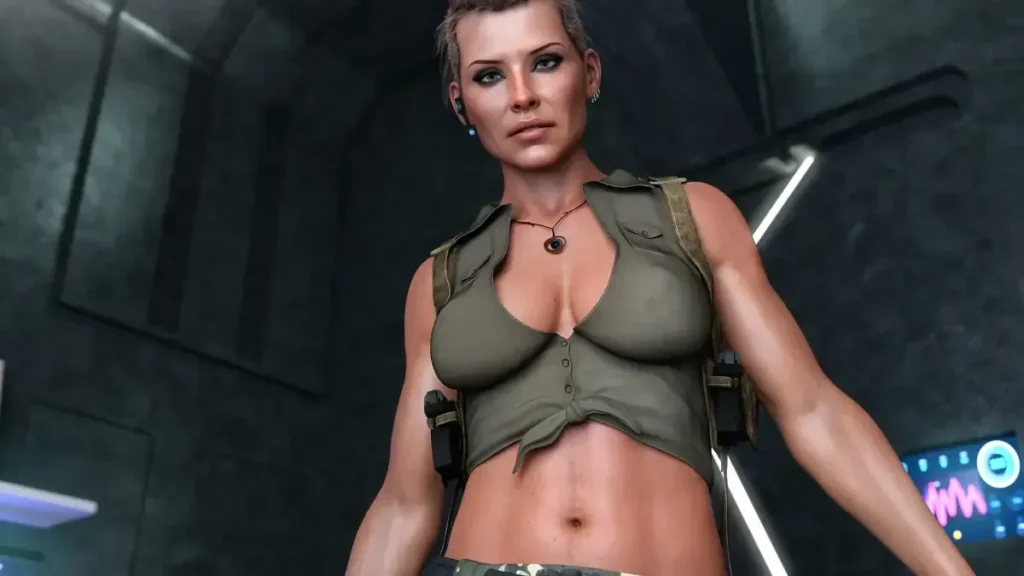






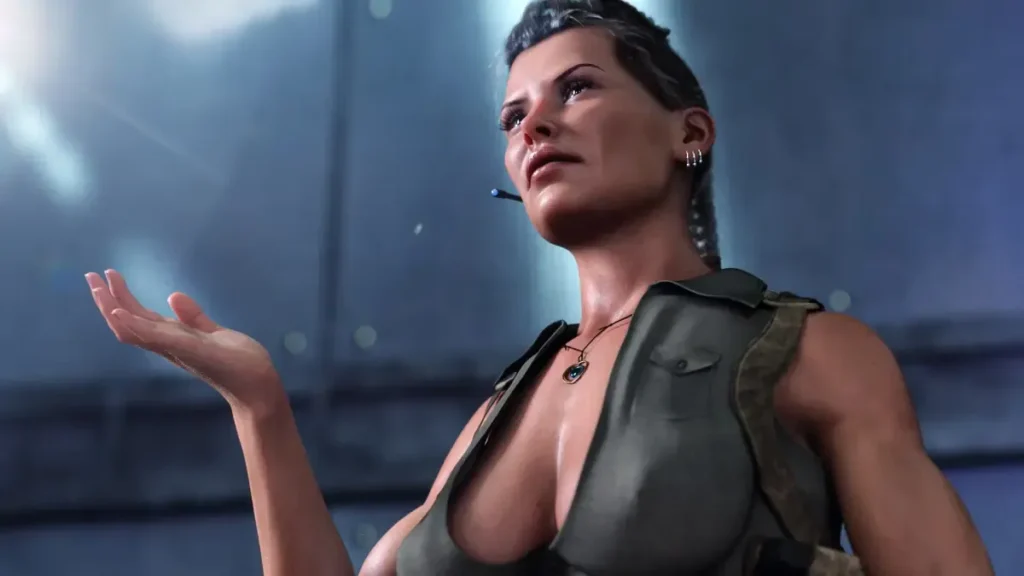





How to Fix the Future review
Master the Time-Travel Visual Novel and Unlock Every Secret Path
Ever jumped into ‘How to Fix the Future’ expecting a quick thrill, only to get stuck in a loop of confusing choices and missed opportunities? I remember my first playthrough – I was hyped for the time-travel twists and steamy encounters, but hours later, I was rage-quitting over a single wrong dialogue pick. This guide changes that. We’ll dive deep into How to Fix the Future, the gripping visual novel where you assemble a team to alter history, dodge corporate overlords, and explore intense personal dynamics. Whether you’re fixing timelines or uncovering hidden scenes, these actionable steps will get you to every ending efficiently. Let’s rewrite your game experience starting now.
Getting Started: Essential Setup for How to Fix the Future
I remember the first time I stumbled upon How to Fix the Future. It was one of those late nights, endlessly scrolling through itch.io, looking for something with a bit more bite than the usual fare. The stark, intriguing cover art caught my eye, and the description hooked me instantly: a dystopian future, a desperate mission, and the power to rewrite history by assembling a team from the past. I was sold. 🕰️🔥 What I didn’t know was that I was about to dive into one of the most intricate and rewarding time travel visual novels I’d ever played. If you’re here, you’re probably ready to begin that journey too. This guide is everything I wish I’d known before my first, fateful playthrough.
What Is How to Fix the Future and Why Play It?
At its heart, How to Fix the Future game is a high-stakes narrative experience where your choices are the only weapon you have. You are an operative from a bleak, corporate-controlled future, sent back with one directive: prevent this reality by any means necessary. Your primary tool? A government-linked database with deep, sometimes uncomfortably personal, files on individuals from the early 21st century. You’ll use this intel to recruit a team, like the incredibly talented and tech-savvy Chloe from How to Fix the Future, and guide them to execute a mission in 2023—often involving targets like a man named Derek.
This isn’t just about clicking through dialogue. It’s about psychological profiling. You’ll study your potential recruits’ old social media, purchase histories, movie preferences, and deeply private details to understand what makes them tick. Will they crack under pressure? Can they be trusted to pull the trigger? The game forces you to sit with these moral calculations. Do you eliminate a target before they’re ever born? The repercussions echo across timelines.
The reason you play is for the sheer, breathtaking replayability. Every decision, from a casual comment to a major moral choice, forks the path. Ignoring a character’s profile note might mean they betray you later. Skipping the fix the future academy training sessions can leave your team underprepared for a critical moment. There are multiple endings, hidden character arcs, and secrets that only reveal themselves after several playthroughs. My first piece of actionable advice? Save often, and in multiple slots. Some choices are irreversible, and you’ll want to revisit those branching points to see where the other path leads.
System Requirements and Quick Installation Tips
Before you can save the future, you need to get the game running smoothly on your machine. The good news is that How to Fix the Future isn’t a hardware crusher. It’s a time travel visual novel, after all, so the focus is on storytelling, not polygon count.
Here’s what you’ll need:
* OS: Windows 10 or later.
* Processor: Something reasonably modern from the last decade.
* Memory: At least 2 GB RAM.
* Graphics: A card that supports DirectX 9, Shader Model 2.0.
* Storage: Around 1 GB of free space.
How to start How to Fix the Future is straightforward. The best source is its itch.io page. Download the installer, run it, and follow the prompts. I highly recommend creating a desktop shortcut for easy access. 🚀
Now, for a pro-tip that comes from painful experience: controller support. While you can play entirely with a mouse and keyboard, connecting a gamepad can make certain menu navigations and tense quick-time moments feel more immersive. It’s not required, but it’s a nice touch.
If you hit a snag and the game crashes on launch, don’t panic. The most common fix I’ve encountered (and a true case study from my own setup) is updating your graphics drivers. It sounds simple, but it works nine times out of ten. If that doesn’t resolve it, use the itch.io app’s “Verify files” function—it’s a lifesaver for missing or corrupted game data.
First Choices That Shape Your Entire Playthrough
The opening minutes of How to Fix the Future are deceptively calm. You’re given files, briefings, and choices that seem minor. Trust me, they are not. This is where your unique story is forged. Here’s a step-by-step breakdown of the critical early junctions you’ll face, based on my many, many hours (and failures).
-
Recruiting Your First Agent (Chloe): When you first access the database and pull up the file for Chloe How to Fix the Future, you’ll be presented with initial assessment options. You can highlight her technical prowess or her latent combat skills. For a first playthrough, I strongly recommend emphasizing her tech skills. This sets her on a path to become your invaluable hacker and information specialist, unlocking dialogue and mission options that brute force can’t solve. Ignoring this steers her toward a more direct, and often riskier, role.
-
The Academy Training Offer: Almost immediately, you’ll be given the choice to send your recruits through the fix the future academy training program. This is a must-accept option. It provides crucial stat boosts, improves team cohesion, and unlocks special abilities. Saying “no” to skip ahead might seem tempting, but it’s a classic newbie trap that will haunt you in later missions.
-
Probing the Personal Files: After recruitment, you’ll have the chance to dive deeper into your team’s psychological profiles. This is not optional reading. In one of my earliest playthroughs, I glossed over a note about a recruit’s deep-seated fear of abandonment. Later, during a high-pressure standoff, they froze and cost us the mission. > Actionable Advice: Look for traits like “willful,” “freedom-loving,” or “holds grudges.” These are powerful indicators of how they’ll react under stress and can be leveraged for better team synergy or manipulated to ensure obedience.
To help visualize the impact, here’s a breakdown of those pivotal early decisions:
| Choice | Pro Path Outcome | Con Path Outcome | Recommended Action |
|---|---|---|---|
| Chloe’s Initial Profile Focus | Unlocks tech-based mission solutions, dialogue shortcuts, and remote support options. | Limits her to frontline roles, increasing mission risk and missing key intel opportunities. | Prioritize “Tech-Savvy” and “Analytical” tags. |
| Accept Academy Training | Grants +Stat boosts, improves team trust, unlocks special abilities like “Coordinated Strike.” | Team remains under-skilled, leading to higher failure rates in skill checks and combat. | Always say YES on a first run. |
| Depth of File Review | Reveals critical weaknesses/phobias, unlocks personal loyalty missions, provides persuasion leverage. | Leads to unexpected betrayals, failed morale checks, and missed mission clues. | Read every file thoroughly. Take notes on key traits. |
| First Moral Directive (e.g., Non-Lethal vs. Lethal) | Can build a “Principled” team reputation, unlocking certain allies and narrative paths. | Can build a “Pragmatic” reputation, streamlining some missions but closing off diplomatic solutions. | Choose based on your desired team identity. There’s no universally “right” answer. |
Remember, the How to Fix the Future walkthrough that exists in your mind is built choice by choice. There’s no single right way to play, but these early decisions set the foundation for everything to come. Master them, and you’ll be well on your way to unlocking every secret path this brilliant, complex game has to offer. In our next chapter, we’ll dive into advanced team-building strategies and how to decode the database’s deepest secrets. 🧩
FAQ: Your First Steps Answered
Q: Do I need a controller to play?
A: Not at all! The game plays perfectly with mouse and keyboard. A controller is supported and can add to the immersion for some, but it’s purely optional.
Q: How long is the first chapter or playthrough?
A: Your first playthrough, seeing one story path to its conclusion, can take anywhere from 4 to 6 hours. However, uncovering all the secrets and endings is a 20+ hour commitment due to the branching narrative.
Q: Are the choices really that impactful?
A: Absolutely. This is the core of the How to Fix the Future game. Seemingly small dialogue choices can alter character relationships, while major moral decisions can change the mission parameters and available endings entirely.
Q: I’m stuck on a launch error! What do I do?
A: The most common fix is to update your graphics drivers. Failing that, use the “Verify files” option in the itch.io app. The game’s community forums are also a great resource for specific error codes.
There you have it – your complete roadmap to conquering How to Fix the Future. From nailing those opening choices with Chloe and the team to mastering Academy training and timeline tweaks, you’re now equipped to explore every branch, uncover steamy secrets, and secure those perfect endings. I went from frustrated restarts to multiple completions, and you’ll feel that rush too. Dive back in, experiment with bold decisions, and share your wildest paths in the comments. What’s your favorite team combo? Time to fix that future – happy gaming!