Demons of the Hearth
Play Demons of the Hearth
Demons of the Hearth Screenshots
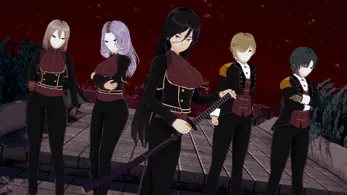



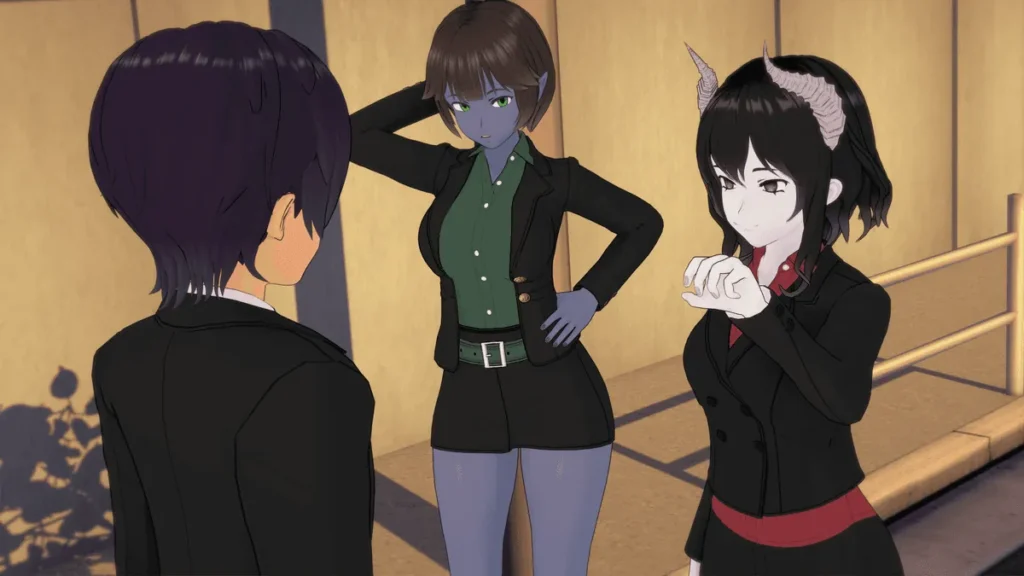
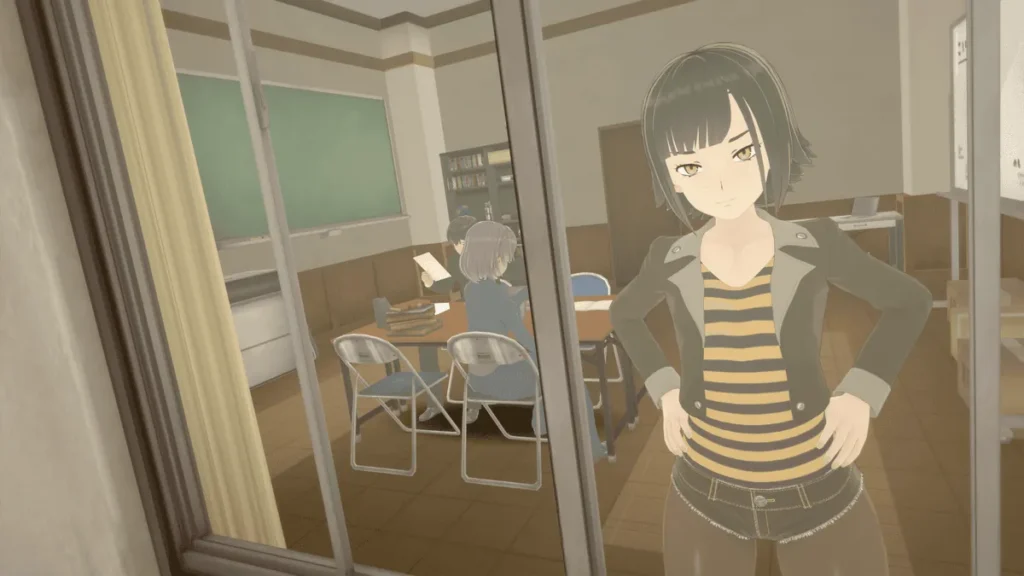


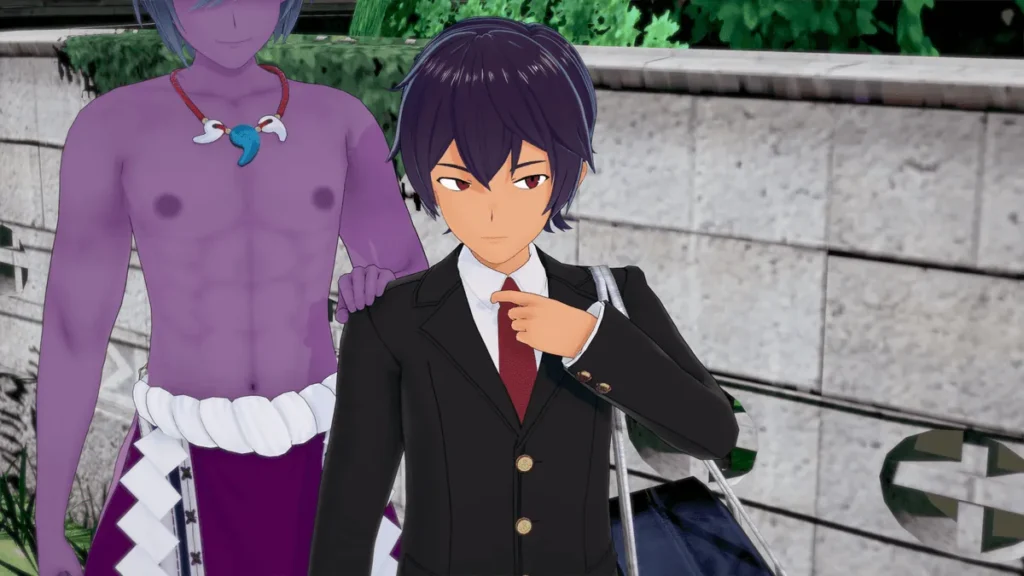
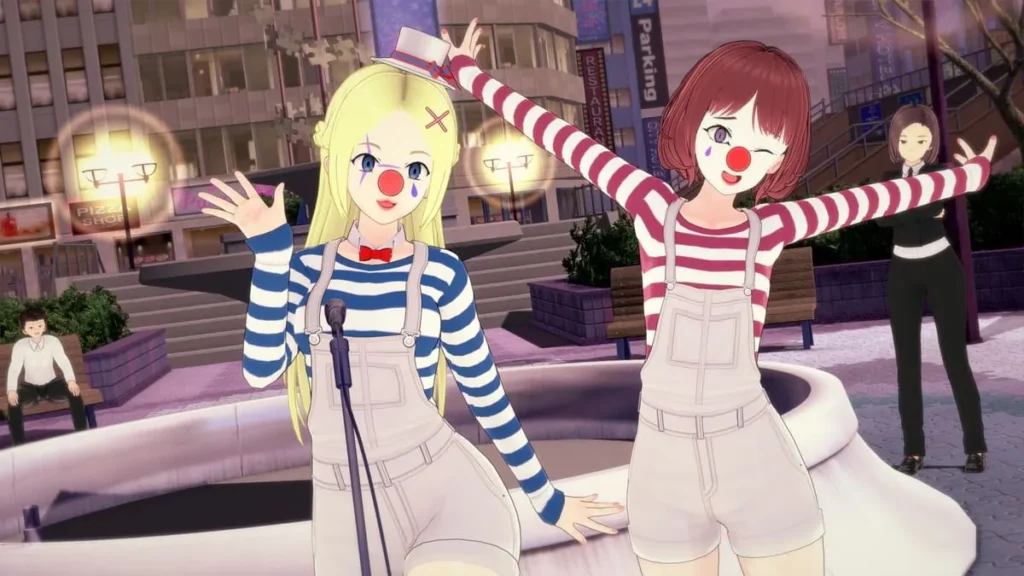

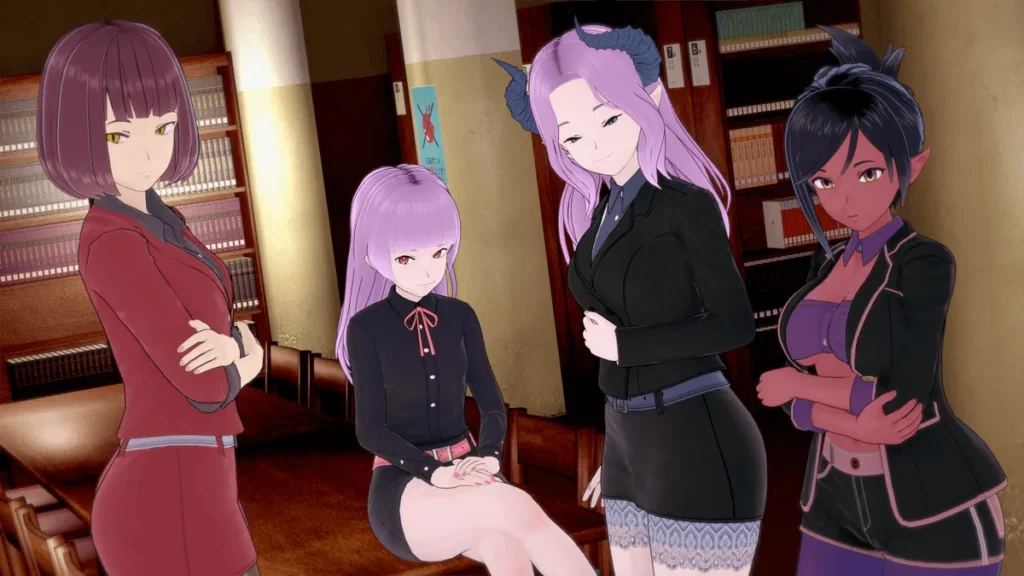
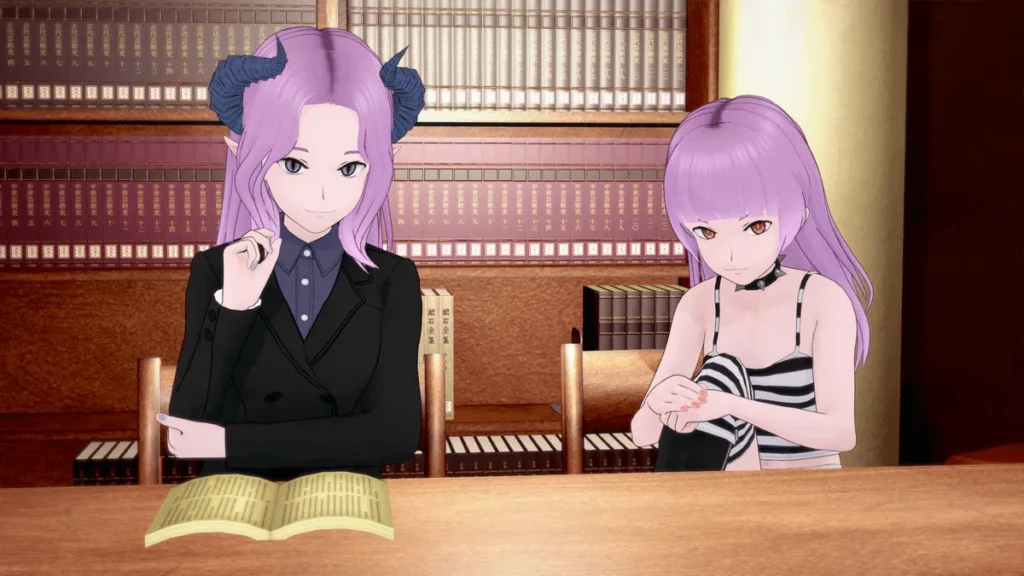
Demons of the Hearth review
Explore Characters, Story, and Gameplay of Demons of the Hearth
Demons of the Hearth is a captivating adult visual novel that combines rich storytelling with immersive gameplay. This game stands out for its engaging characters, intriguing narrative, and unique interaction system that keeps players hooked. Whether you’re new to the game or looking to deepen your experience, this article will guide you through the essential aspects of Demons of the Hearth, highlighting what makes it a memorable title in its genre.
Exploring the Story and Characters of Demons of the Hearth
Let’s be honest—the best stories are the ones that feel like they’re happening to you. They pull you in, make you care about the fictional people on screen, and leave you staring at the ceiling at 2 AM wondering about the choices you made. 🕯️ That’s the unique magic of Demons of the Hearth. This isn’t just a game you play; it’s an experience you live, a poignant visual novel narrative where every whispered secret and every hesitant smile matters.
At its heart, this is a tale about the ghosts we live with, both literal and figurative. It masterfully blends the supernatural with the deeply, painfully human, asking one powerful question: can we heal the past without being consumed by it? The Demons of the Hearth story is a slow-burn emotional journey, and to understand its power, we need to explore the brilliant characters and the profound way our choices shape their world.
What is the Core Narrative? 🏚️
You arrive at the old, sprawling Everwood Manor under the grey light of autumn. Your task seems simple: document and perhaps cleanse the residence of its lingering spiritual energy. But the Demons of the Hearth story quickly reveals itself to be far more intimate and complex than a simple ghost hunt. The true haunting isn’t just in the creaking floorboards or cold spots; it’s in the unresolved grief, buried secrets, and fractured relationships of the family that still calls this place home.
The core narrative of Demons of the Hearth is a delicate exploration of memory, guilt, and forgiveness. The manor acts as a silent character, its rooms and objects charged with emotional history. As you progress, you’ll piece together a family tragedy through flashbacks, discovered letters, and the reluctant confessions of its inhabitants. This interactive story Demons of the Hearth crafts isn’t about jump scares; it’s about the chilling realization of how long a single moment of pain can echo through generations.
The brilliance of the visual novel narrative here is its pacing. It understands that true dread and profound sadness are cousins. It builds atmosphere not with monsters, but with a lingering glance held a second too long, a conversation that ends abruptly, or a familiar melody playing from an empty room. You’re not just an observer or an exorcist—you become a confidant, a mediator, and sometimes, the trigger for long-overdue confrontations.
Tip: Pay close attention to the environment. The game’s visual novel narrative often uses background details and object descriptions to deliver crucial story beats that dialogue alone cannot.
Your role is pivotal. Will you be a forceful truth-seeker, ripping off emotional bandages to cleanse wounds? Or a gentle listener, allowing secrets to surface in their own time? This approach to player choices impact story is what transforms a good tale into a personal one. The Demons of the Hearth story doesn’t have a single “true” ending; it has a spectrum of resolutions that feel earned based on the connections you’ve fostered and the truths you’ve prioritized.
Who Are the Main Characters? 👥
The soul of this experience lies entirely with its cast. The main characters Demons of the Hearth presents are not archetypes; they are beautifully flawed, nuanced individuals, each guarding a piece of the manor’s puzzle and their own private torment. Getting to know them is the game. Their fears and hopes are the plot.
From my first playthrough, I was struck by how real they felt. Their defenses, their hesitations, their moments of vulnerability—it all clicks into place to create a stunning portrait of a family in stasis. Let’s meet the pivotal Demons of the Hearth characters who will define your journey.
| Character | Role & Description | Initial Dynamic |
|---|---|---|
| Elara Everwood | The reclusive matriarch. Guarded, artistic, and weighed down by a lifetime of being the family’s emotional anchor. She communicates more through her haunting paintings than her words. | A wary, formal host. Earning her trust is a slow, rewarding process central to unlocking the past. |
| Leo | Elara’s grandson. A pragmatic young man who returned to the manor out of duty. He’s outwardly rational and dismissive of the “ghost talk,” but his practicality masks his own deep-seated grief and anger. | Your initial guide and skeptic. His relationship with you can evolve into rivalry, friendship, or something deeper, dramatically altering the story’s path. |
| Vera | The family historian and Leo’s aunt. Warm, perceptive, and seemingly open, yet she is the keeper of the family’s most carefully organized secrets. She believes in reconciliation but fears its cost. | Your most welcoming ally. However, her helpfulness often serves to gently steer you away from the most painful truths. |
| The Resonance | The spiritual presence in the manor. Less a traditional ghost and more an echo of compounded emotion—sorrow, love, and regret given form. It reacts to the family’s emotional state and your actions. | The central mystery. Is it a malignant force to be dispelled, a wounded consciousness to be understood, or a mirror reflecting the family’s pain? |
These main characters Demons of the Hearth revolves around are expertly crafted to create a web of compelling dynamics. Elara and Leo’s tense, silent struggles speak volumes about generational disconnect. Vera’s cheerful facade cracks in moments of stunning honesty. And your relationship with The Resonance is the ultimate test of your philosophy: do you fight a demon, or listen to a cry for help? 💔
The character development Demons of the Hearth achieves is directly tied to your engagement. You can’t force growth; you can only create the conditions for it through patience, empathy, and sometimes, challenging people’s comfortable lies. Watching a character like Leo slowly lower his walls, or Elara find a new spark in her eyes, is the game’s greatest reward.
How Do Character Interactions Shape the Story? 🧩
This is where Demons of the Hearth truly shines and separates itself from passive storytelling. Every conversation is a building block, and every choice—no matter how small—ripples outward. The player choices impact story on a granular level, influencing not just the ending, but the very journey there.
Your dialogue options aren’t simply “Good,” “Neutral,” or “Evil.” They’re nuanced reflections of approach:
* The Direct Question: “What really happened that night?”
* The Empathetic Prompt: “You seem like you’re carrying a heavy burden.”
* The Observational Statement: “This painting feels… sad.”
* The Silent Choice: Sometimes, saying nothing and simply sharing a space is the most powerful interaction.
I learned this the hard way. In my first attempt, I played the relentless investigator, pushing for answers at every turn. I got “answers,” sure—but I also alienated Leo, causing him to shut down entire story threads, and I frightened Elara into seclusion. The manor’s atmosphere became hostile and lonely. I had facts, but I’d failed the people. The interactive story Demons of the Hearth weaved for me was one of isolated discovery and a bleak, hollow victory.
On my second playthrough, I prioritized listening over interrogating. I spent time with Vera in the garden, not to extract data, but to hear her stories. I offered to help Leo with mundane repairs, building camaraderie. This gentle approach unlocked voluntary confessions and shared moments I never saw before. The character development Demons of the Hearth facilitated this time was organic and heart-wrenching. The story became less about solving a haunting and more about healing a home. The finale felt profoundly different—bittersweet, but hopeful.
Here’s the practical, actionable advice: Treat your time like a currency. You can’t be everywhere at once. Choosing to have tea with Elara in the studio means missing a chance to walk with Leo in the woods. These exclusive moments define your unique bond with each character and directly determine which revelations you uncover and whose fate you can most influence.
Remember: The game tracks more than major decisions. It remembers your small kindnesses, your repeated topics of interest, and even the artifacts you choose to examine together. This creates a stunningly cohesive interactive story Demons of the Hearth experience that feels personally crafted.
The ultimate narrative power is that you decide what “saving” the hearth means. Is success banishing The Resonance? Or is it helping the family finally acknowledge it, make peace with it, and learn to live alongside their shared history? The beauty is that both conclusions—and many in between—are valid. They depend entirely on how you connected with the Demons of the Hearth characters.
In the end, Demons of the Hearth stays with you because its story is a mirror. It asks how you, the player, choose to engage with the pain of others. Do you confront, comfort, or merely observe? The demons you ultimately face—and whether you vanquish or understand them—are a direct reflection of your own choices. That is the unforgettable power of its story and its people. ✨
Demons of the Hearth offers a compelling blend of storytelling and character-driven gameplay that keeps players engaged from start to finish. Its rich narrative and well-crafted characters create an immersive experience worth exploring. Whether you’re drawn by the story or the interactive elements, this game delivers a unique journey. Dive in and discover the world of Demons of the Hearth for yourself.